


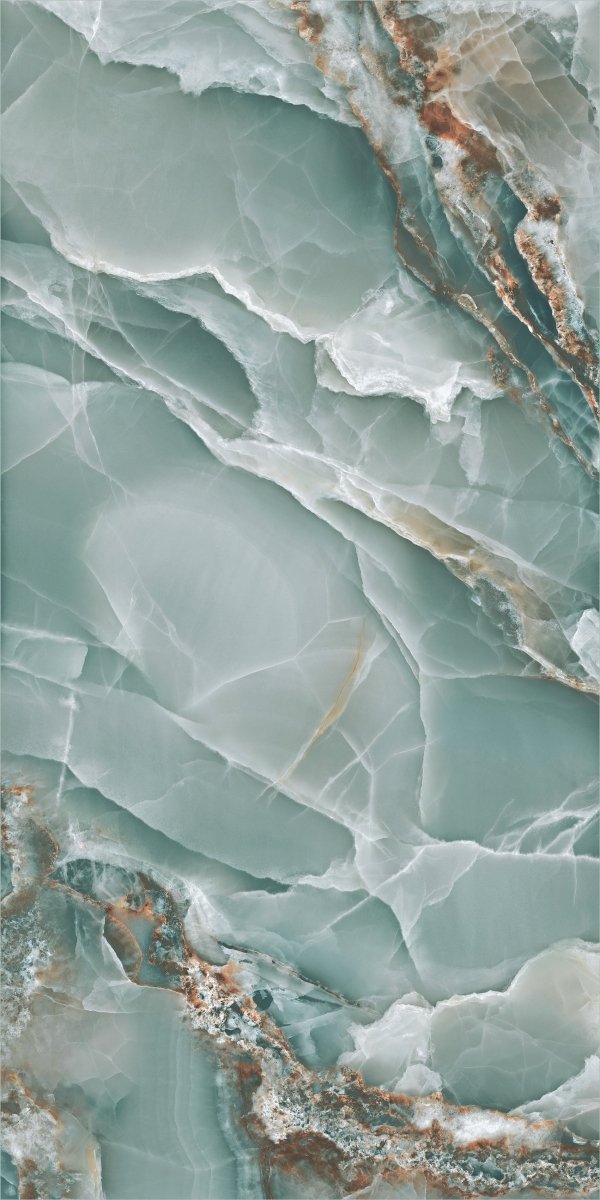
Onyx Green Marble Effect Polished Porcelain 60x120cm Wall and Floor Tile
£25.99
Per m²
 Rated 4.8★
 Fast, Free Delivery Over £499
 0% interest-free finance
Shop bathroom wall tiles online in grey, white & large designs. Durable, easy to clean, and stylish. Order today for fast UK delivery from Tiles Paradise.

 SAVE 38%

 SAVE 24%

 SAVE 43%

 SAVE 44%

 SAVE 26%

 SAVE 38%
 SAVE 34%

 SAVE 67%

 SAVE 39%
 SAVE 33%

 SAVE 38%

 SAVE 29%
 SAVE 35%

 SAVE 34%

 SAVE 38%

 SAVE 38%
 SAVE 29%

 SAVE 14%
Walls define a bathroom more than almost any other surface. The right bathroom wall tiles set tone, control light, and build the atmosphere that makes an ordinary room feel like a private retreat.
From glossy porcelain slabs to textured ceramic finishes, the collection at Tiles Paradise covers every style direction — classic white, dramatic onyx effect, soft terrazzo, and rich marble effect designs that rival real stone at a fraction of the cost.
Explore the full tile collection or go straight to the premium bathroom range for a curated selection of high-end finishes.
Choosing the right body material is the first decision. Both ceramic and porcelain perform well on bathroom walls, but they serve different budgets and design ambitions.
Bathroom ceramic tiles offer a lightweight, cost-effective solution with a smooth glaze ideal for feature walls and splashbacks. Bathroom porcelain tiles fire at a higher temperature, producing a denser, near-impermeable body that handles steam, condensation, and daily cleaning with ease.
|
Feature |
Ceramic |
Porcelain |
|
Water absorption |
Higher |
Very low (under 0.5%) |
|
Weight |
Lighter |
Denser |
|
Finish range |
Glazed |
Glazed, polished, matt, lappato |
|
Best for |
Walls, splashbacks |
Walls, floors, wet rooms |
|
Price range |
Budget to mid-range |
Mid-range to premium |
Size is one of the most powerful design levers in a bathroom. Large tiles minimise grout lines, reduce visual clutter, and create the seamless, spa-like look that dominates current bathroom wall tile ideas.
The 60x60cm range works beautifully in compact and mid-size bathrooms, offering proportion without overwhelming the space. For larger rooms, walk-in showers, and statement feature walls, the 60x120cm format delivers an expansive, hotel-grade finish that is hard to match with smaller tiles.
Fewer joints also mean fewer surfaces for moisture and mould to settle, making large format tiles a genuinely practical choice for shower areas and wet rooms alongside floor and wall tiles bathroom.
Marble has anchored luxury bathroom design for centuries. The challenge has always been cost, fragility, and the intensive maintenance real stone demands. Marble effect porcelain solves all three.
Modern inkjet printing technology reproduces the depth, veining, and tonal variation of quarried marble so accurately that the difference is almost impossible to detect at normal viewing distances. The Carrara White Polished 60x120cm and Carrara White Matt 60x120cm bring the most sought-after Italian marble aesthetic to any budget, with none of the sealing or repolishing real stone requires.
Browse the complete marble effect bathroom tiles collection for white, gold, and dramatic dark vein options across both standard and large formats.
Onyx is the statement material of contemporary luxury bathroom design. Its depth of colour, translucent layers, and bold veining create a natural drama that marble alone cannot produce.
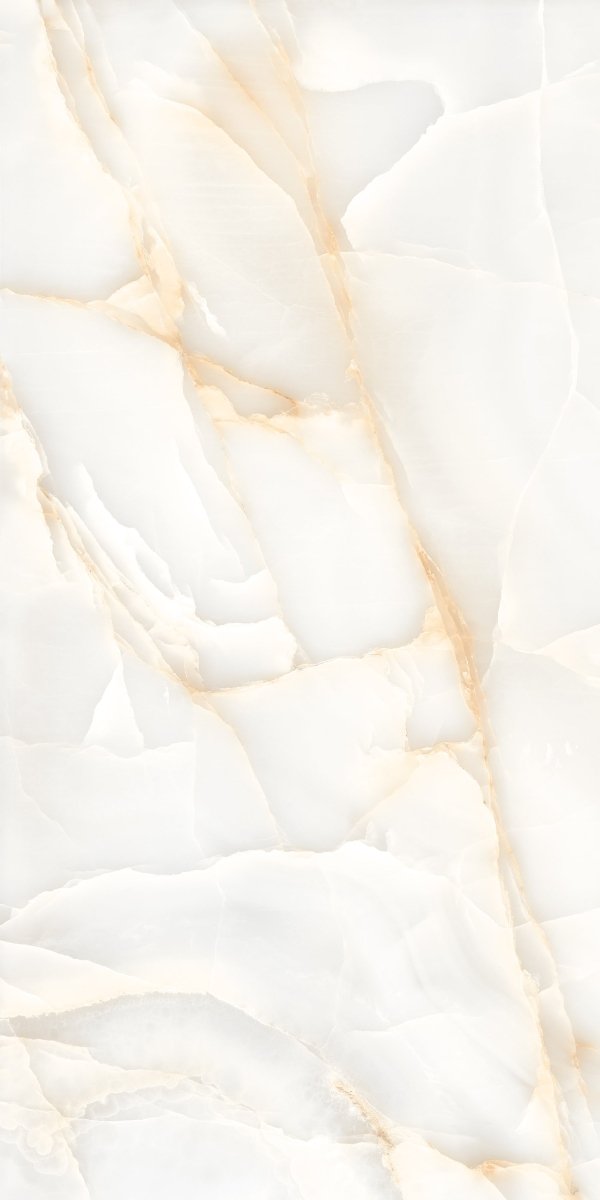
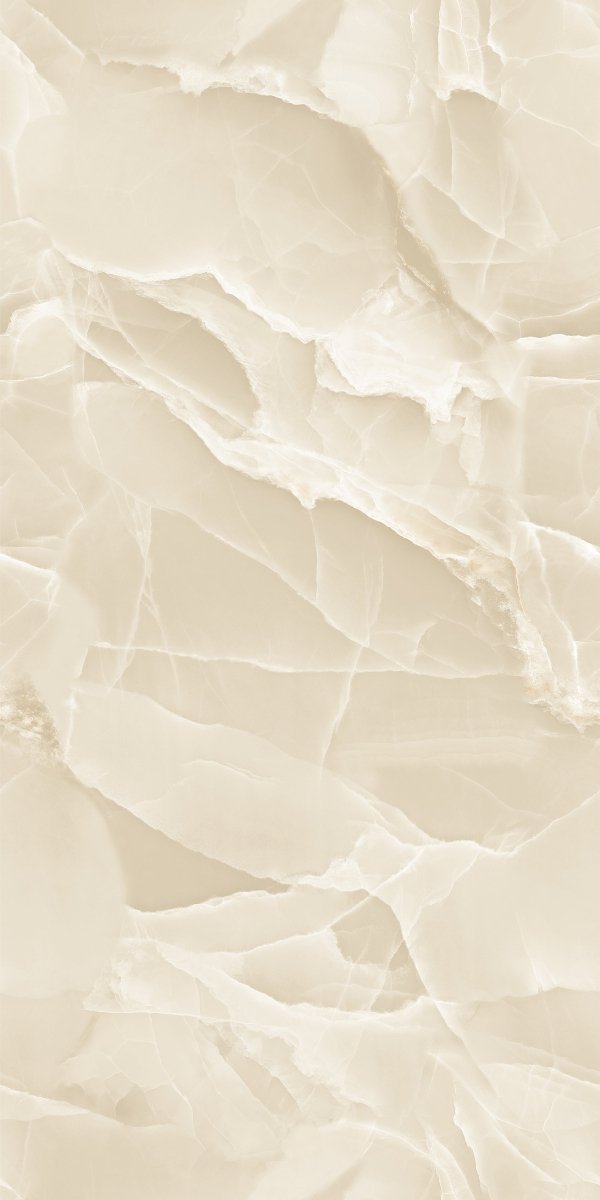
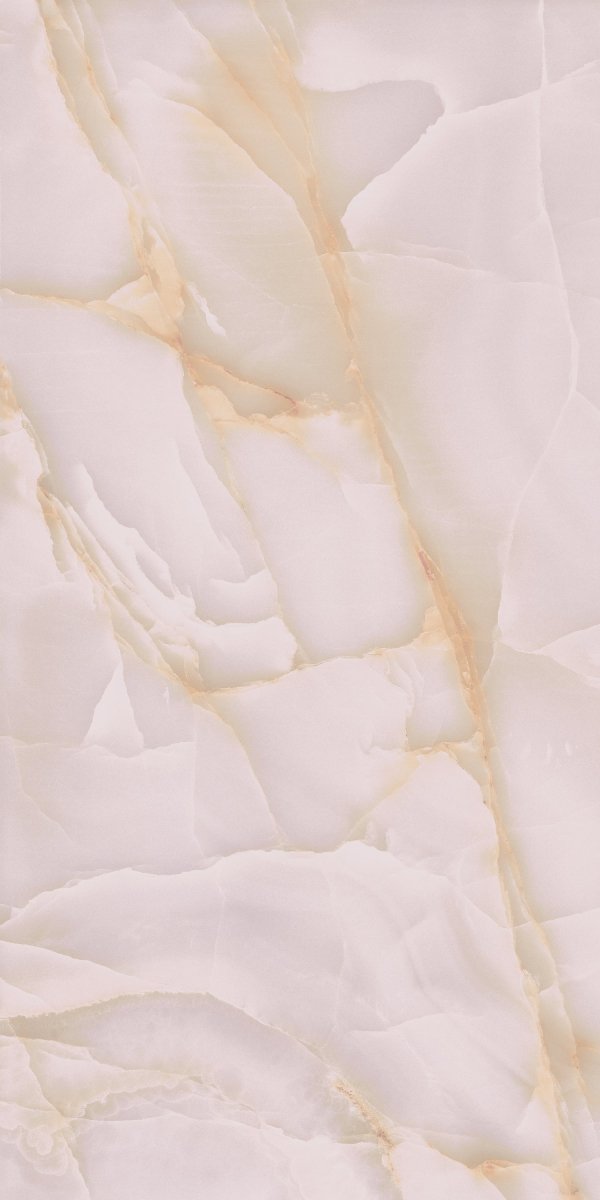
Onyx effect porcelain tiles capture that character in a durable, water-resistant body suited to bathroom walls, shower tiles, and bath surrounds. The Persian Onyx Gold White Glossy 60x120cm pairs warm gold veining with a bright white ground for an arresting feature wall. The Onyx White Polished 60x120cm delivers a cleaner, cooler alternative that reflects light beautifully in smaller rooms.
The Onyx Blue Marble Effect 60x120cm and Onyx Green Marble Effect 60x120cm introduce a bold chromatic element that pairs powerfully with matt black or brushed brass hardware.
Explore the full onyx effect bathroom tiles range for all available colourways and sizes.
Terrazzo has made one of the most confident comebacks in contemporary interiors. The composite look — chips of stone, glass, and aggregate set in a mortar ground — brings warmth, texture, and a handcrafted aesthetic to bathroom walls.
Modern terrazzo bathroom tiles reproduce this aesthetic in a factory-controlled porcelain or ceramic body, meaning consistent pattern repeats and the structural integrity a genuine bath tile wall demands.
The speckled composition works well for bathroom wall tiling designs that pair a feature wall against plain, solid-colour tiles, creating visual interest without full pattern commitment.
White remains the most popular choice for bathroom wall tiles in the UK for well-founded reasons. White tiles reflect light back into the room, amplify the appearance of space, and provide a neutral backdrop that works with every hardware finish and accessory colour.
Gloss white amplifies natural and artificial light, making it the natural choice for smaller rooms and windowless en-suites. Matt and satin white bring a softer, more tactile quality that suits contemporary minimalist and Scandinavian-influenced bathroom wall tiling ideas.
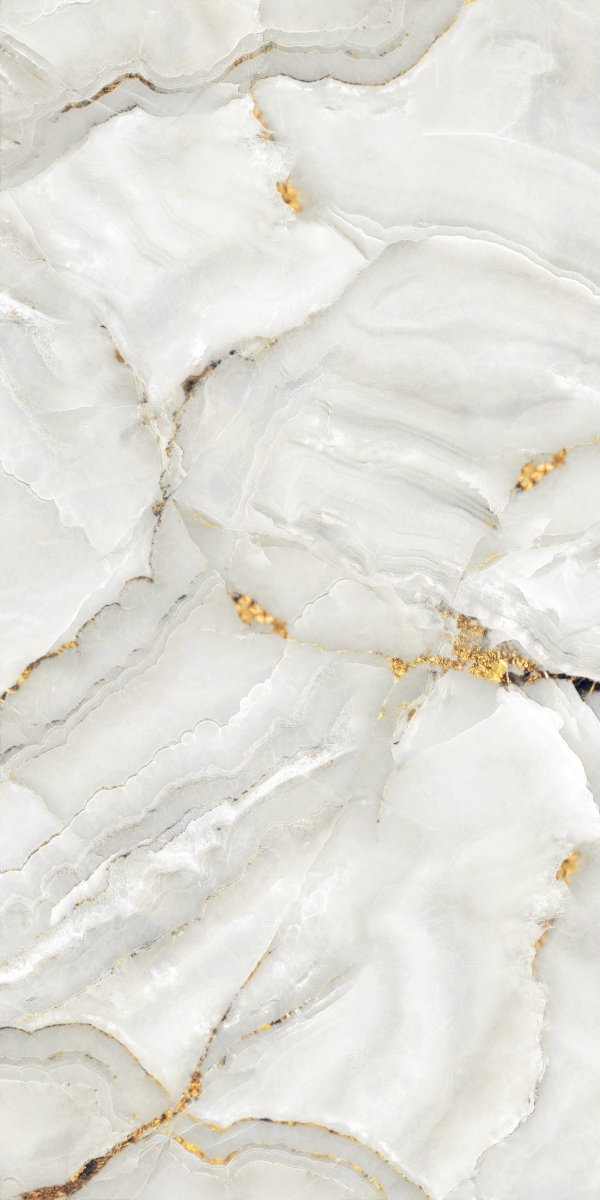
The Carrara White Polished 60x120cm and Afyon Gold Polished 60x120cm demonstrate how white grounds can carry gold and neutral veining without losing the brightness that defines the look.
The combination of black, white, and gold veining has become the defining aesthetic of premium bathroom renovations. It reads as genuinely high-end, photographs exceptionally well, and ages far better than trend-led colour choices.
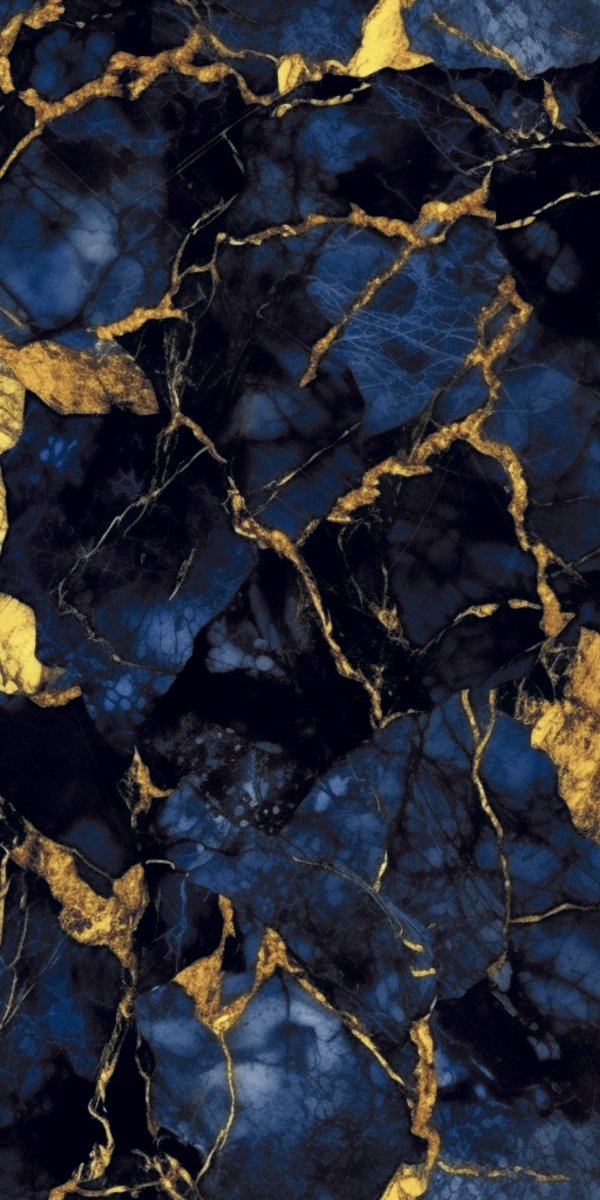
The Akasmir Black Gold White High Gloss 60x120cm condenses that drama into a single tile, with deep charcoal grounds and bright metallic veining at a scale that demands attention. The Black Gold Marble Effect 60x60cm offers the same palette in a more measured format, suited to feature wall tiles for bathroom applications where full-room coverage might feel overpowering.
The Sky Golden Black Marble Effect 60x120cm introduces a lighter, more ethereal variation — pale ground with dark and gold veins — that works brilliantly as a shower tile behind frameless glass.
A feature or accent wall is the fastest way to introduce a luxury finish without the cost of tiling an entire room. The principle is simple: one wall — typically the wall behind the bath, the wet wall behind the shower head, or the wall opposite the door — receives a premium decorative tile while the remaining walls stay plain.
The format works with almost any tile in the collection:
Onyx effect glossy slabs create a mirror-like backdrop in walk-in showers
Gold-veined marble-effect tiles frame a freestanding bath with visual weight
Terrazzo designs introduce warmth and pattern on a single wall without the room feeling busy
Large format 60x120cm tiles in a single dramatic colourway function as a literal wall of art
Matching or complementing bathroom floor and wall tiles from the same range ensures visual continuity across the full space.
Wall tiles and floor tiles in a bathroom do not carry identical technical requirements, but any tile running into a wet room floor zone must meet appropriate slip resistance standards. The UK uses the R-rating (DIN 51130) and the pendulum test value (PTV) system to classify tiles for wet use.
The bathroom anti-slip tile collection provides options confirmed for safe use underfoot in shower areas, wet rooms, and bathroom floors where water pooling is a regular condition.
Matching anti-slip floor tiles with polished or gloss wall tiles from the same colourway is a practical approach: safe and grip-rated underfoot, light-reflective and easy to clean on the walls.
Using the same tile across walls and floors — sometimes called "tile drenching" or "full drench" — is one of the most powerful techniques in current bathroom wall tiles design. The monolithic effect eliminates visual breaks, makes rooms appear taller and wider, and produces the immersive hotel aesthetic that many UK homeowners are seeking.
The Persian Onyx Gold White Glossy 60x60cm, Aurora Onyx Gold White Glossy 60x60cm, and Exotica Gold 60x60cm are all rated for floor and wall tiles bathroom use, making the full-drench approach straightforward.
For full-room tile ordering, calculate wall and floor area separately, then add a minimum 10% wastage to the total — most bathroom renovations require this to account for cuts, breakages, and future repairs.
The tile itself carries the primary visual, but grout colour and laying pattern significantly affect the final result.
Grout colour principles:
Matching grout (same tone as the tile) creates continuity and amplifies the large-format seamless effect
Contrasting grout (notably white tile with grey or charcoal grout) creates grid definition and a graphic, architectural quality
Gold or warm-grey grout on marble-effect tiles can enhance the warm-vein palette
Laying pattern options for bathroom wall tile ideas:
Straight stack (grid) — the clean, contemporary default for large format tiles
Brick bond/offset — adds movement to rectangular tiles; suits classic and transitional styles
Herringbone — creates directional energy; ideal for narrow shower walls and feature strips
Vertical stack — emphasises ceiling height; works well in compact bathrooms
Running out of tiles mid-installation or discovering a discontinued batch on return orders is one of the most common and disruptive mistakes in bathroom renovation. Ordering correctly from the start eliminates it.
Simple wall coverage formula:
Measure the height and width of each wall to be tiled (in metres)
Multiply to get the area of each wall (m²)
Deduct windows, doors, and recesses
Total all wall areas
Add 10-15% wastage for cuts, corners, and future replacements
Most product pages on the Tiles Paradise site display m² coverage per box. Divide the total required area (with wastage) by the coverage per box to get the number of boxes needed.
Selecting shower tiles — for the wet wall behind the shower head, the shower floor, and the enclosure walls — involves tighter criteria than general bathroom wall tile selection.
Key specification points for shower tiles:
Wall tiles: Glazed porcelain or ceramic with low water absorption; polished finishes are easy to clean and resist soap scum buildup
Floor tiles within the shower tray or wet room floor: Must carry appropriate slip resistance rating (PTV 36+ in wet conditions)
Grout: Use flexible, anti-fungal grout rated for wet zone application; standard grout is not appropriate in shower enclosures
Adhesive: Use flexible, waterproof tile adhesive (Class C2 or C2E) in shower and wet room areas
The anti-slip tile collection covers the floor zone, while the polished onyx and marble effect porcelains in the full range are well-suited for shower wall surfaces.
Bath tiles — specifically tiles applied to the bath panel and the surround wall directly behind a built-in or freestanding bath — are a significant design opportunity that many bathroom renovations underuse.
A feature tile on the bath surround or the wall panel immediately behind the bath creates a focal point visible from the bathroom door. Large format tiles in the 60x120cm range, particularly the Onyx White Polished 60x120cm and Carrara White Matt 60x120cm, are widely used for this purpose because their scale matches the visual weight of a built-in bath and the large slab format eliminates distracting grout lines.
A wet room is a fully waterproofed, open-plan shower space with a continuous floor gradient to a linear or point drain. Wetroom tiles — both wall and floor — must be selected and installed as part of a complete tanking and waterproofing system.
The tile specification for a wet room wall is not dramatically different from a standard shower tile, but the installation substrate matters enormously. All walls must be fully tanked before tiling begins. Flexible grout and C2E adhesive are non-negotiable. Corner and joint movement is managed with flexible sealant, not grout.
Whether handling a full bathroom or a single feature wall, the installation sequence matters as much as tile selection.
Essential steps:
Prepare and prime the substrate — walls must be flat, firm, dry, and free from contamination
Mark a level datum line from which all tiles are set out
Mix and apply flexible tile adhesive using the appropriate notched trowel
Set tiles from the centre of each wall outward, checking level constantly
Allow adhesive to cure fully before grouting (typically 24 hours minimum)
Apply flexible, waterproof grout to all joints
Finish corners and junctions with matching silicone sealant — never grout these joints
For large format 60x120cm tiles, a full-bed adhesive application is required on both the tile back and the wall surface (back-buttering).
Looking for inspiration beyond the product page? The Tiles Paradise blog covers a wide range of design approaches, from full-drench onyx schemes to layered marble and terrazzo pairings.
Read the full guide on luxury onyx and marble bathroom wall tile ideas for room-by-room styling advice, grout recommendations, and format pairing guides.
Not all wall tiles are rated for floor use. Wall-only tiles have a thinner body and lower abrasion resistance than floor-rated tiles. Always check the product specification — tiles marked for wall and floor use (like most products in the Tiles Paradise collection) are suitable for both.
Larger tiles with matched grout minimise the number of visual breaks on the wall surface, which creates a more expansive, continuous effect. A 60x60cm or 60x120cm tile in a pale, reflective finish is the most effective format for a small bathroom. However, smaller tiles used in well-designed patterns can also create depth and interest in compact spaces.
Measure each wall area (height x width in m²), deduct windows and doors, total all wall surfaces, and add a minimum 10% for cuts and wastage. Divide the final figure by the coverage per box stated on the product page.


