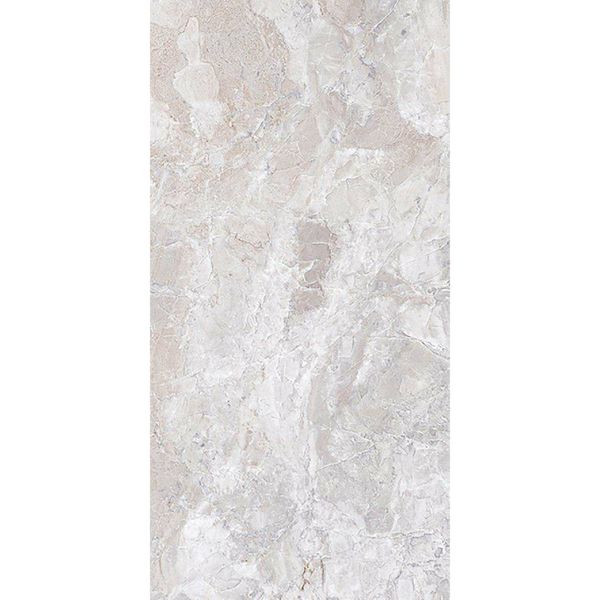


Marena Blue Gloss Ceramic 75x300mm Metro Wall Tile
£24.99
Per m²
 Rated 4.8★
 Fast, Free Delivery Over £499
 0% interest-free finance
Bathroom Ceramic tiles in six format sizes, from 30x60cm to 120x120cm. Matt, gloss, and textured glazes. R9 slip rating on floor grades.

 SAVE 28%

 SAVE 33%

 SAVE 8%

 SAVE 20%
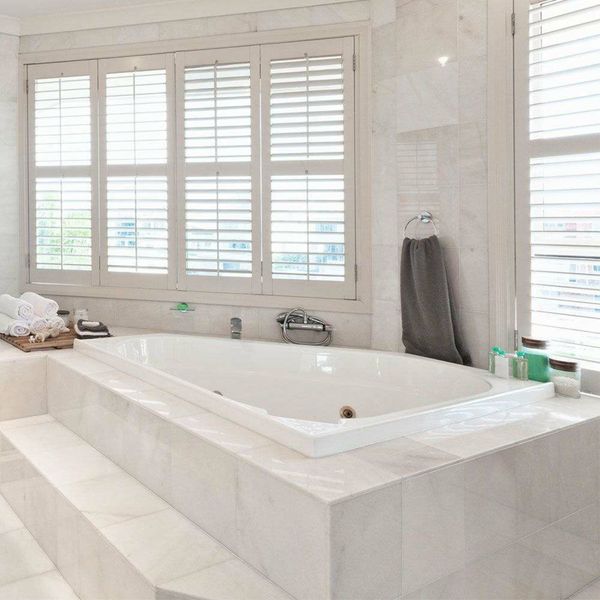
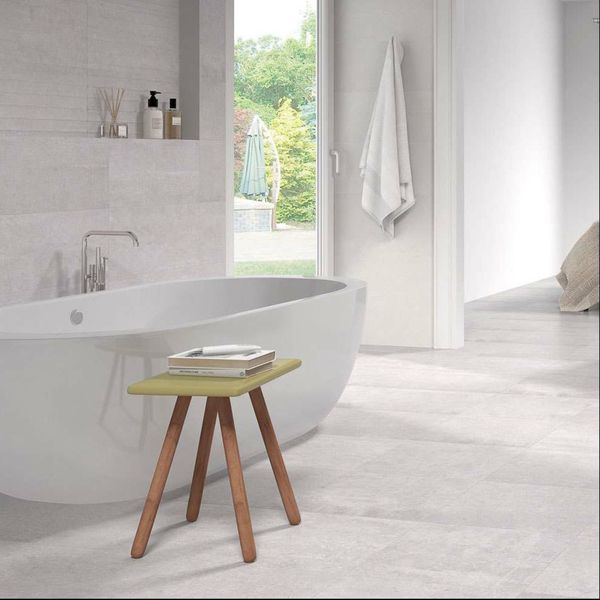
Sourcing bathroom ceramic tiles uk provides versatile surface covering for modern domestic washrooms. Glazed ceramic construction resists moisture penetration effectively. Trade fitters apply lightweight ceramic formats across structural walls to create low-maintenance, decorative interior spaces.
Installing bathroom ceramic tiles on vertical surfaces minimises structural load on standard plasterboard. Ceramic biscuit structures remain significantly lighter than dense porcelain alternatives. The fired surface glaze repels water droplets instantly, preventing moisture absorption across domestic shower enclosures.
Professional fitters calculate required quantities based on exact room dimensions. Accurate measurement prevents material shortages during installation phases. Selecting appropriate ceramic formats transforms standard washrooms into highly functional interior spaces.
Property owners frequently buy bathroom ceramic tiles in diverse dimensions to match specific spatial requirements. Installers utilise small 30x60cm formats for compact sink splashbacks. Specifying large format bathroom ceramic tiles measuring 90x90cm or 120x120cm minimises grout lines across expansive wall areas.
Manufacturers produce matt bathroom ceramic tiles to provide subtle, non-reflective wall textures. Conversely, gloss bathroom ceramic tiles reflect ambient light to brighten dark enclosed spaces. The applied glaze layer dictates the final aesthetic and standard cleaning requirements.
Matt finishes: Conceal water spots inside wet zones.
Gloss glazes: Maximise light reflection across small washrooms.
Textured surfaces: Add tactile depth to feature walls.
Satin options: Deliver a balanced semi-reflective appearance.
Ceramic materials undergo lower firing temperatures than porcelain during manufacturing. This thermal difference yields a softer biscuit structure suited primarily for
| Tile Material | Primary Application | Cutting Difficulty |
| Ceramic | Wall cladding | Low |
| Porcelain | Floor surfacing | High |
Fitters apply ceramic products extensively across solid wall substrates. Using ceramic on floors requires careful consideration of expected foot traffic and structural loads. Specifiers often combine ceramic wall cladding with durable
Standard ready-mixed acrylic adhesives support lightweight ceramic wall installations effectively. Fitters apply cementitious powder adhesives when securing heavier 60x120cm slabs. Correct adhesive selection prevents vertical slip during the initial curing phase for