


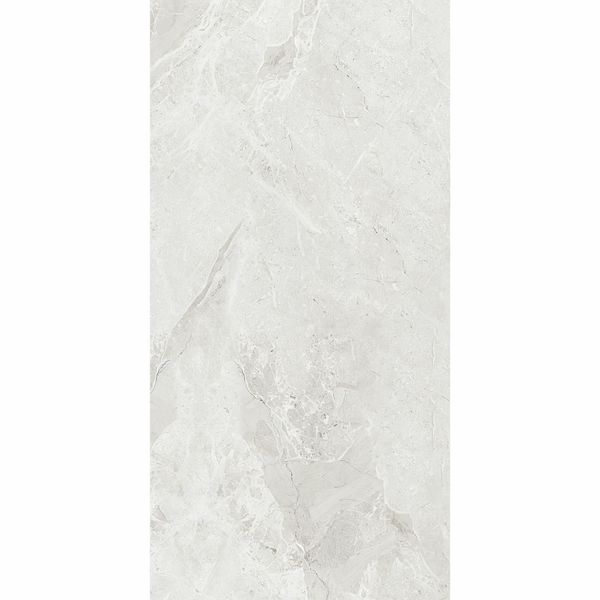
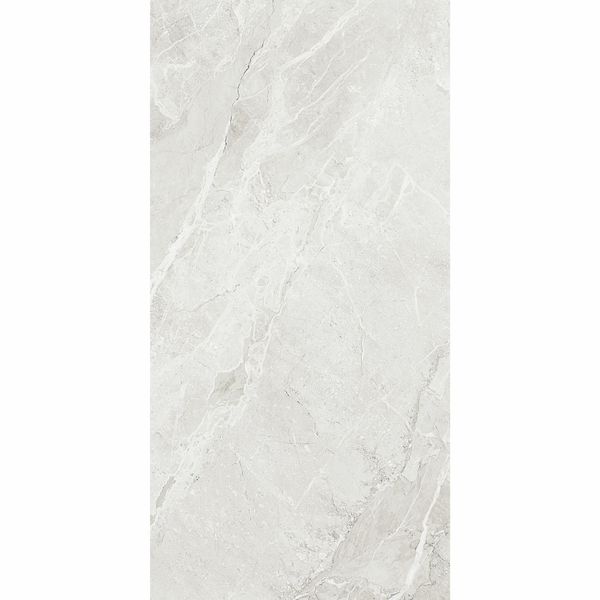
Statuario Mercury Grey Marble Effect Polished 30x60cm Porcelain Wall & Floor Tile
£23.95
Per m²
 Rated 4.8★ by 1,000+ customers
 Fast, Free Delivery Over £499
 0% interest-free finance
Buy small bathroom tiles in porcelain, ceramic, and mosaic. All colours and finishes. Free samples on selected tiles. Price match at Tiles Paradise UK.

 SAVE 32%

 SAVE 17%

 SAVE 14%
 SAVE 18%

 SAVE 10%

 SAVE 10%
 SAVE 15%

 SAVE 23%
 SAVE 13%
 SAVE 17%


Small tiles bring detail, texture, and personality to compact spaces in a way that larger formats cannot replicate. A small bathroom does not need to sacrifice style for practicality, and the right tile choice proves that instantly. Tiles Paradise stocks a wide range of small bathroom tiles across porcelain, ceramic, and mosaic formats, all available with free samples on selected lines and a price match guarantee.
Small tiles in a small bathroom create visual rhythm across walls and floors without overpowering a limited surface area. Formats such as 30x30cm, 30x60cm, and mosaic sheets below 10cm suit cloakrooms, shower enclosures, and compact en-suites, where cutting and fitting around fixtures would waste a large portion of a bigger tile.
Bathroom wall tiles in smaller formats also unlock creative laying patterns, including herringbone, brick offset, and diagonal, each of which adds depth and movement to plain surfaces.
Not all small tiles share the same format, and the right size depends on the surface area, laying pattern, and level of detail required.
|
Format |
Dimensions |
Best Application |
|
Mosaic |
30x30cm |
Shower floors, feature walls, curved areas |
|
Mini brick / metro |
30x30cm to 30x60cm |
Bathroom walls, splashbacks |
|
Small square |
30x30cm to 30x60cm |
Walls and floors, herringbone layouts |
|
Small rectangular |
30x60cm |
Walls and floors, compact bathrooms |
|
Hexagon |
30x30cm to 30x60cm |
Feature floors, wet rooms, shower trays |
For tile flooring in a small bathroom, mosaic and hexagonal formats provide additional anti-slip surface area through higher grout line density, which also improves drainage performance in wet zones.
Tile floor small bathroom installations require closer attention to slip resistance than larger spaces, particularly in shower trays and wet room areas. Small format bathroom floor tiles in porcelain with an R10 or R11 anti-slip rating perform well in permanently wet conditions without sacrificing finish quality. Anti-slip bathroom tiles in compact formats are available across matt, textured, and stone-effect surfaces to suit both modern and traditional bathroom schemes.
Bathrooms with mosaic tile applications gain both grip and decorative detail in a single surface choice, making mosaics one of the most versatile small-format options available. Sheet-mounted mosaics in porcelain or stone effect simplify installation across shower floors, curved niches, and awkward cut areas around pedestal bases and pipework.
Mosaic bathroom tiles in white, grey, or blue create a hotel-quality finish on shower walls and floor-to-ceiling feature surfaces that suits compact and standard-sized bathrooms equally.
Bathroom wall tiles in small formats unlock a wider range of laying patterns than standard sizes, giving compact walls a crafted, considered finish. Bath tiles around the tub surround benefit particularly from herringbone or vertical stack layouts, as the contained tiling area amplifies the pattern effect.
Popular small tile laying patterns for bathroom walls:
Brick offset (running bond): Classic metro layout with 50% horizontal offset, works horizontally and vertically
Herringbone: 45-degree angled pairs draw the eye upward to increase perceived ceiling height
Vertical stack: Straight columns elongate a wall, well-suited to narrow cloakrooms and en-suites
Diagonal grid: Rotated 45 degrees, small square tiles create diamond patterns that expand a surface visually
Mixed format: Plain field tile paired with a contrasting feature tile in the same small format adds rhythm without complexity
Porcelain bathroom tiles in small formats combine design flexibility with the performance properties that suit high-moisture environments. Water absorption below 0.5% makes small porcelain tiles the correct material choice for shower walls, wetroom tiles floors, and bath surrounds in family and en-suite bathrooms. Polished small porcelain tiles reflect more light and visually enlarge compact spaces where natural light is limited.
Ceramic bathroom tiles in small formats cover the widest range of colours, glazes, and decorative finishes available in any tile category. From classic white bathroom tiles in gloss brick format to handmade-effect Moroccan patterns, small ceramic wall tiles suit period, eclectic, and contemporary interiors equally. Ceramic is lighter than porcelain, making it easier to handle during DIY installation, and small ceramic formats simplify cutting around outlets, mirrors, and pipework.
Colour selection in a compact bathroom directly affects how spacious and light the space feels, making it one of the most consequential decisions in bathroom and tiling projects.
Light and reflective tones:
White bathroom tiles: Maximise light reflection; gloss finishes amplify the effect in compact spaces
Cream bathroom tiles: Warmer alternative to white; suits period and traditional schemes
Beige bathroom tiles: Neutral tone that recedes visually and opens a compact bathroom
Silver bathroom tiles: Metallic mosaics reflect light from multiple angles and add perceived depth
Mid-tones and statement colours:
Grey bathroom tiles: The most popular choice in UK bathroom tiling; works in both light and dark shades
Blue bathroom tiles: Pale and mid-blue tones recede and add calm, spa-like character
Green bathroom tiles: Sage and soft green tones suit compact spaces; deep forest green works for feature walls only
Brown bathroom tiles: Earthy small-format tiles add warmth without visually reducing a compact layout
Black bathroom tiles: Most effective as floor accents or feature walls, paired with white and high-gloss finishes
Gold bathroom tiles: Metallic gold mosaics work as accent surfaces in alcoves and shower niches
Pink bathroom tiles: Soft pinks read as neutral in small bathrooms; bold pinks suit single feature walls
A white bathroom with white tiles across both walls and floors creates the most expansive visual result in compact bathrooms, particularly when grout colour closely matches the tile to reduce joint visibility.
Black and white bathroom tiles in small formats allow a compact bathroom to carry a bold design identity without the space-reducing effect of an all-dark scheme. A white field tile with a black mosaic or hexagon floor tile remains one of the most enduring combinations in bathroom tiling, referencing Victorian and art deco design languages that suit both period and contemporary homes.
White and black tile bathroom combinations also benefit from the optical contrast between surfaces, which defines spatial zones and makes a small bathroom feel intentionally designed.
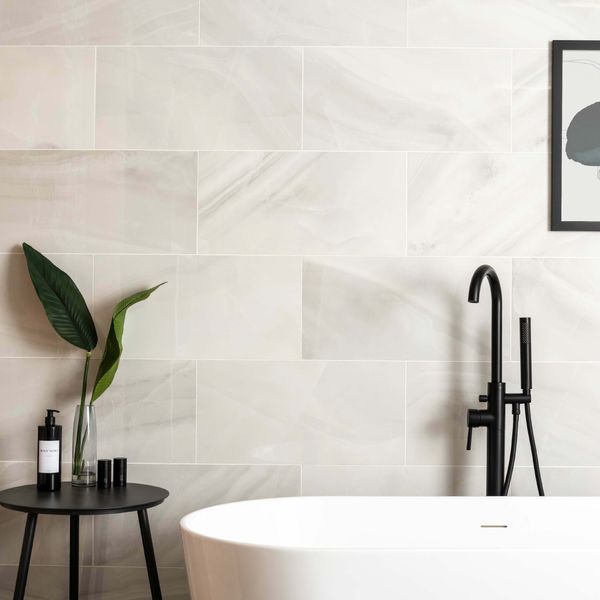
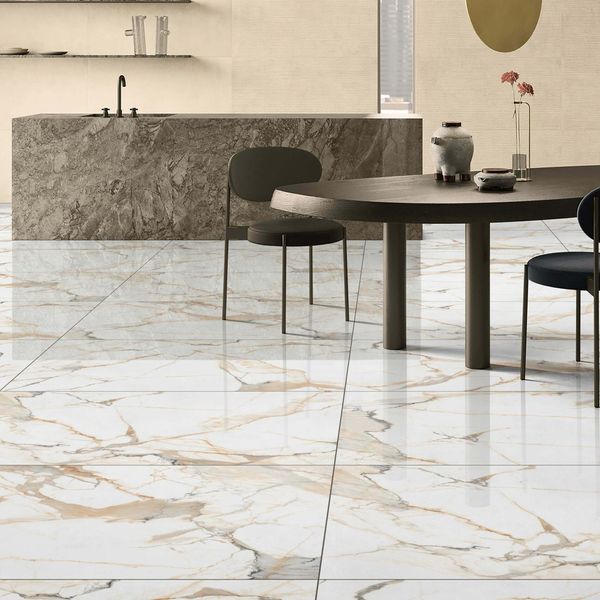
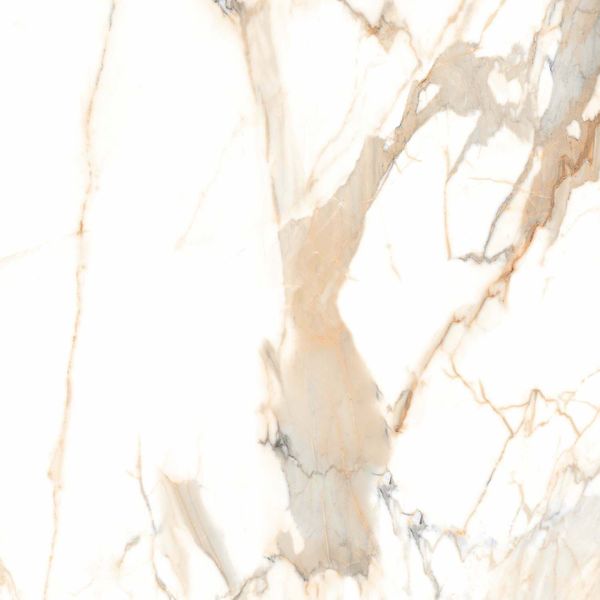
Marble bathroom tiles in small formats bring tonal richness into compact bathroom spaces without requiring large uninterrupted surfaces to showcase the effect. A small-format marble-effect porcelain in herringbone or brick layout on a shower wall creates a genuinely premium finish at a fraction of the cost and maintenance requirement of real stone.
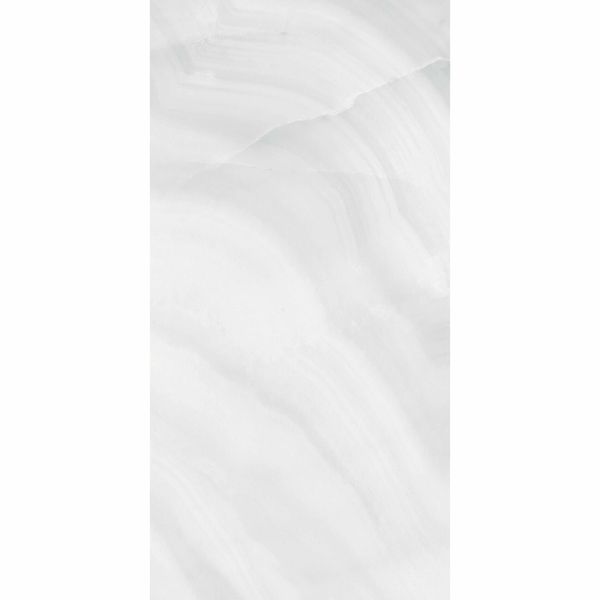
Onyx effect tiles in compact formats suit shower niches, bath panel insets, and feature splashbacks where a full wall application would feel visually heavy.
Terrazzo bathroom tiles in small formats introduce speckled colour and light-catching aggregate detail to compact bathroom floors and walls without pattern repetition becoming visually tiring. Small terrazzo tiles pair naturally with plain white or cream bathroom wall tiles, allowing the floor to lead the design while the walls remain a calm backdrop. In shower enclosures, small terrazzo formats contribute grip through textured aggregate while concealing surface marks between cleaning cycles.
The conventional advice that large tiles make small bathrooms look bigger is partially correct but not universally true. Colour, finish, and grout contrast influence perceived space more reliably than tile size alone.
|
Consideration |
Small Format |
Large Format |
|
Curved and awkward areas |
Easier to fit |
More cutting waste |
|
Shower floor grip |
Higher grout density aids traction |
Fewer joints, lower grip |
|
Pattern variety |
Herringbone, mosaic, offset |
Limited to grid and offset |
|
Perceived room size |
Colour and finish dependent |
Fewer grout lines can open space |
|
DIY difficulty |
Lower: smaller units to handle |
Higher: heavier, less forgiving |
Large format bathroom tiles in 60x120cm and medium format 60x60cm tiles suit compact bathroom walls where a seamless, minimal finish is the priority. Small formats suit floors, shower enclosures, and feature walls where detail, grip, and layout flexibility matter more than visual simplicity.
Shower tiles and wetroom tiles in small and mosaic formats outperform large tiles in several technical respects specific to fully wet environments. Higher grout line density in small-format tiles accommodates drainage gradients in wet room floors more naturally, and the greater number of adhesive contact points improves bond strength on sloped surfaces.
Premium bathroom tiles in small porcelain formats with R10 to R11 ratings are available across grey, white, beige, and stone-effect finishes suited to contemporary and classic wet room designs.
Grout joint width, colour, and composition directly affect the final visual result of any small bathroom tiles design project. A grout colour matched closely to the tile reduces joint visibility and makes a compact space feel larger, while a contrasting grout emphasises the laying pattern and works well in herringbone and diagonal layouts. In shower enclosures and wet rooms, epoxy or polymer-modified waterproof grout is essential regardless of joint width or tile format.
Matched grout colour: Reduces joint visibility, creates a seamless surface, maximises perceived space
Contrasting grout colour: Emphasises pattern geometry; works best in herringbone and diagonal layouts
1.5 to 2mm joints: Standard for small wall tiles in compact bathrooms; delivers a clean finish
3 to 5mm joints: Required for handmade-effect and textured small tiles with uneven edges
Epoxy grout throughout wet areas: Essential in shower enclosures and wet rooms for mould resistance
Vinyl tile bathroom options offer a budget-accessible alternative for small bathroom floor renovations where subfloor preparation is complex or disruptive tile removal is not practical. Long-term durability and resale value do not match fired tile materials, and vinyl is not technically suitable for shower tiles, wetroom tiles, or bath surrounds where full water exposure and waterproof adhesion are required.
For bathroom and tiling projects involving wet zones, glazed porcelain or ceramic bathroom tiles remain the correct material choice.
One of the most effective bathroom tile ideas for modern interiors pairs small-format wall tiles with a contrasting large-format floor tile to define zones and add visual hierarchy. A 10x20cm metro wall tile in white or soft grey combined with a 60x60cm stone-effect floor tile creates a polished finish that suits both compact and full-sized bathrooms.
The full bathroom tile ideas guide covers format combinations, colour pairings, and laying pattern decisions across different bathroom sizes and styles.
A white bathroom with white tiles is one of the most consistently popular design choices in UK bathrooms, delivering a clean, light-filled result that suits modern and period interiors equally. Small white gloss brick tiles with matching white grout create an almost seamless surface that maximises light reflection in compact bathrooms, while small white hexagon tiles with contrasting grey grout introduce deliberate graphic detail.
The dedicated white bathroom tile design guide explores finish combinations, grout strategies, and format choices for creating a timeless white bathroom from floor to ceiling.
Not necessarily. Small tiles in light colours and gloss finishes enhance light reflection and add visual depth. Perceived space depends more on colour, finish, and grout contrast than on tile size alone.
Small format porcelain in a light colour with a polished or satin finish performs best, combining moisture resistance, durability, and light reflection. Anti-slip rated options are available for shower floors and wet rooms.
Yes. Small-format glazed porcelain is fully suitable for shower walls and floors. Mosaic and hexagon tiles are particularly well suited to shower floors, where grout density improves drainage gradient performance and anti-slip traction.
A 1.5 to 2mm joint suits most wall tile applications. Floors generally require 2 to 3mm for rectified tiles and 3 to 5mm for handmade-effect formats. Waterproof flexible grout is required throughout shower enclosures and wet rooms.
Free samples are available on selected tiles across the small bathroom range, allowing colour and finish to be assessed in real bathroom lighting before placing a full order.


