





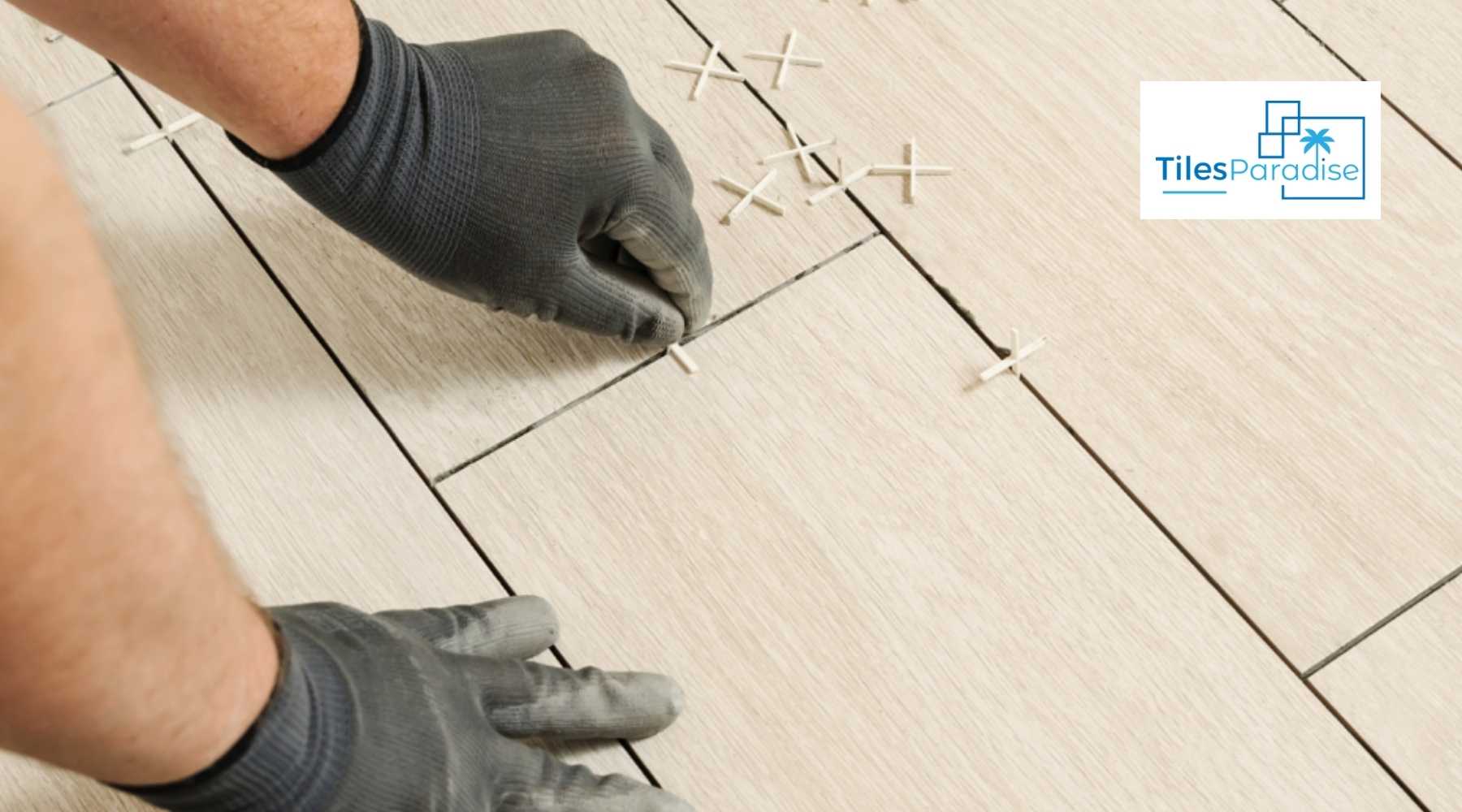
Knowing how to lay large format porcelain floor tiles on a concrete subfloor with underfloor heating is one of the most-searched DIY tiling topics in the UK, and for good reason. Large porcelain tiles create stunning, seamless floors in kitchens, bathrooms, and hallways, but getting the installation right demands proper preparation, the correct adhesive, and a solid understanding of how heat and substrate movement affect tile performance.
Whether the goal is to lay floor tiles in a bathroom, kitchen, or open-plan living space, the steps outlined below cover every stage, from subfloor assessment through to final grouting. Beginners and experienced DIYers alike will find actionable guidance here, including advice on how to lay floor tiles on concrete, on floorboards, and over existing tiles.
What Tools and Materials Are Needed Before Tiling Starts?
Having the right equipment before starting makes the entire job cleaner and more precise. The list below covers everything needed to lay porcelain floor tiles to a professional standard.
• Notched trowel (10mm or 12mm for large format tiles)
• Spirit level or laser level
• Rubber mallet
• Tile cutter or wet saw (essential for porcelain)
• Chalk line and tape measure
• Tile spacers or wedge levelling system
• Flexible tile adhesive (heat-compatible for UFH)
• Grout float and grout
• Bucket and mixing paddle
• Knee pads, safety goggles, and gloves
• Self-levelling compound (if subfloor is uneven)
For cutting hard porcelain, a manual scorer will often not be enough. A wet saw or electric tile cutter gives cleaner edges and prevents chipping on large-format slabs.
How to Assess and Prepare a Concrete Subfloor for Tiling
Concrete is one of the most reliable bases for laying ceramic or porcelain floor tiles, but it still requires careful preparation. Start by checking the surface is fully dry, checking moisture content with a hygrometer if the slab is new or recently repaired.
Remove all dust, grease, and old adhesive, and fill any cracks or holes with a suitable concrete repair compound before proceeding. Once patched, apply a self-levelling compound to any uneven areas and allow a minimum of 24 hours to cure before tiling begins.
A prime coat, such as diluted PVA (2:1 ratio) or a specialist tile primer, improves adhesive bonding on porous concrete surfaces. For non-slip floor tiles in a bathroom or kitchen, this step is particularly important for long-term durability.
Underfloor Heating and Large Format Porcelain: What Must Be Checked?
Underfloor heating (UFH) introduces thermal expansion and contraction cycles that place significant stress on tiles and grout. Before tiling over any UFH system, allow the system to complete a full heat-up and cool-down cycle to stabilise the screed.
Always use a flexible tile adhesive rated for use with UFH, typically classified as S1 or S2 flexible. For 60x120cm rectangular large tiles or 90x90cm extra-large tiles, a back-buttering technique should be used alongside floor application to achieve full adhesive coverage across the tile back.
Movement joints (also called expansion joints) must be installed at regular intervals, typically every 3-4 metres and at all perimeter edges. Silicone sealant, colour-matched to the grout, fills these joints instead of standard grout.
How to Plan and Set Out a Floor Tile Layout Correctly
Setting out the tile layout before applying any adhesive is where professional-looking results begin. Find the centre point of the room by measuring and marking the midpoints of two opposing walls, then drawing chalk lines that form a cross in the middle of the floor.
Dry lay a row of tiles from the centre point out to the walls on each axis, using spacers to replicate grout joints. If the gap at the wall edge is smaller than half a tile width, shift the starting position by half a tile to avoid awkward thin cuts along the perimeter.
For 120x120cm extra-extra-large tiles, always plan the layout with lippage prevention in mind. Never lay large-format tiles on a 50% brick bond offset. A maximum of 33% offset ensures the tile edges align over a solid adhesive bed, which reduces lippage risk significantly.
How to Lay Porcelain Floor Tiles Step by Step
With the subfloor prepared and the layout planned, tiling can begin. Work in sections no larger than 1 square metre at a time to prevent the adhesive from skinning over before tiles are placed.
1. Mix flexible tile adhesive to a smooth, firm consistency following the manufacturer's water ratios.
2. Using a notched trowel at 45 degrees, comb adhesive onto the floor within the first section.
3. Back-butter the tile: apply a thin, even layer of adhesive to the tile back using a flat trowel.
4. Press the tile firmly into position using a twisting motion to collapse the ridges and achieve full coverage.
5. Use a rubber mallet to bed the tile evenly, then check with a spirit level.
6. Insert tile spacers or levelling clips at each corner before placing the next tile.
7. Lift the occasional tile to check adhesive coverage. Visible unfilled ribs indicate insufficient adhesive.
8. Continue working toward the room exit so freshly laid tiles are never walked on.
For marble effect floor tiles or onyx floor tiles with natural variation, mix tiles from multiple boxes as laying progresses to achieve a balanced, natural appearance across the finished floor.
How to Lay Floor Tiles on Floorboards or a Wooden Subfloor
Wooden floors flex and move, and standard porcelain or ceramic tiles will crack if laid directly onto unsupported floorboards. To lay porcelain tiles on a wooden floor, first fix 18mm exterior-grade plywood over the existing boards using 40mm screws spaced 400mm apart.
Lay plywood sheets so the joints run at 90 degrees to the existing floorboards, staggering the sheets to avoid cross-shaped joints. Apply two coats of diluted PVA (2 parts PVA to 1 part water) to the plywood and allow to dry fully before tiling.
An uncoupling membrane over the plywood provides additional protection against movement in the subfloor being transferred to the tiles above. This is especially useful when laying wood effect tiles in older UK properties where floor movement is more pronounced.
What Grout Joint Width and Type Is Correct for Large Format Tiles?
Grout joint width has a direct relationship with tile size, surface flatness, and the tile calibration (manufacturing tolerances). As a general rule for large-format porcelain tiles:
|
Tile Size |
Minimum Joint Width |
Recommended Adhesive Type |
|
60x60cm |
2-3mm |
S1 Flexible |
|
60x120cm |
3mm |
S1 or S2 Flexible |
|
90x90cm |
3-4mm |
S2 Flexible |
|
120x120cm |
4-5mm |
S2 Flexible |
For wet areas such as bathrooms and kitchens, use a flexible, anti-mould grout. In open-plan spaces with UFH, a polymer-modified grout provides additional resistance to the thermal movement cycles. Always seal natural stone grout joints after curing.
Popular Large Format Porcelain Tile Choices for UK Homes
Large Format Beige Porcelain Floor Tiles for Open Plan Kitchen Diner with Underfloor Heating
Beige porcelain floor tiles in large format sizes are the top choice for open-plan kitchen diners in the UK, pairing effortlessly with neutral interiors and warm wood cabinetry. The light tones of a beige palette make a space feel larger and work harmoniously with the even heat distribution of UFH systems. Browse the full beige floor tile size and finish guide to find the right format, finish, and grout colour for an open-plan space.
For open-plan kitchen diners, a 60x120cm or 90x90cm format in a matte or silk finish is recommended. The wider format reduces the number of grout lines, giving a cleaner, more contemporary look across a large floor area. Explore the full range of kitchen floor tiles to find a beige porcelain option suited to both aesthetics and UFH performance.
Porcelain Terrazzo Effect Floor Tiles for Kitchen and Bathroom
Terrazzo effect porcelain tiles bring the speckled, multi-tonal character of traditional terrazzo to kitchens and bathrooms without the cost or complexity of poured-in-place installation. Being a porcelain body, they are fully vitrified, frost-resistant, and low-maintenance, making them ideal for both rooms. The full terrazzo effect floor tiles guide for kitchen and bathroom covers pattern matching, grout colour selection, and installation specifics.
Available in formats from 60x60cm to 120x120cm, terrazzo tiles are suitable for UFH when laid with an S1 or S2 flexible adhesive on a prepared concrete subfloor. The neutral speckled patterns also disguise minor grout haze, which makes them particularly forgiving for first-time DIY tilers.
How to Grout and Finish a Tiled Floor Professionally
Allow the tile adhesive to cure fully before grouting. This is typically 24 hours for standard adhesive and up to 48 hours for large-format tiles in cold or damp UK conditions. Remove all tile spacers and levelling clips before grouting begins.
Mix grout to a smooth, lump-free consistency and apply with a rubber grout float, working diagonally across the tile surface to press grout firmly into the joints. After approximately 20-30 minutes (or as directed on the packaging), wipe the tile surface with a barely damp sponge in a circular motion to remove grout haze.
Finish all perimeter edges and joints where the floor meets walls, bathtubs, or plinths with flexible silicone sealant rather than grout. Apply a grout sealer 72 hours after grouting on any natural stone or unglazed porcelain to protect against staining.
How to Lay Self-Adhesive Floor Tiles or Vinyl Tile Flooring
Not every floor project involves wet adhesive. Knowing how to lay self-adhesive floor tiles or how to lay vinyl floor tiles follows a much simpler process but still demands proper subfloor preparation. The surface must be clean, dry, and completely flat, as any lumps or dips in the subfloor will telegraph through to the tile surface after installation.
Peel-and-stick tiles are best suited to ground floors or upper floors with solid, even subfloors. For rooms that need a harder, more permanent surface, premium bathroom tiles in porcelain or ceramic offer far greater longevity, slip resistance, and design range than vinyl alternatives.
When learning how to lay vinyl flooring tiles, always acclimate the tiles in the room for at least 24 hours before installation, and use a chalk line grid to keep rows straight. For stick-on floor tiles in a bathroom, avoid using them in wet zones or directly around the shower where standing water is likely.
Final Insights
Laying large format porcelain floor tiles on a concrete subfloor with underfloor heating is achievable for a prepared DIYer when the right adhesive, levelling system, and layout planning are in place. The most common causes of tile failure in the UK, including cracked grout, lippage, and de-bonding, are almost always the result of skipping subfloor preparation or using an adhesive not rated for thermal movement. Taking time at each stage protects the investment in the tiles.
Whether the project is a hallway tile installation, a full kitchen restyle with large floor tiles, or a bathroom refresh using white floor tiles, the principles remain the same: prepare the subfloor correctly, plan the layout before cutting, use the right adhesive for the substrate and tile size, and grout only after full adhesive cure.