





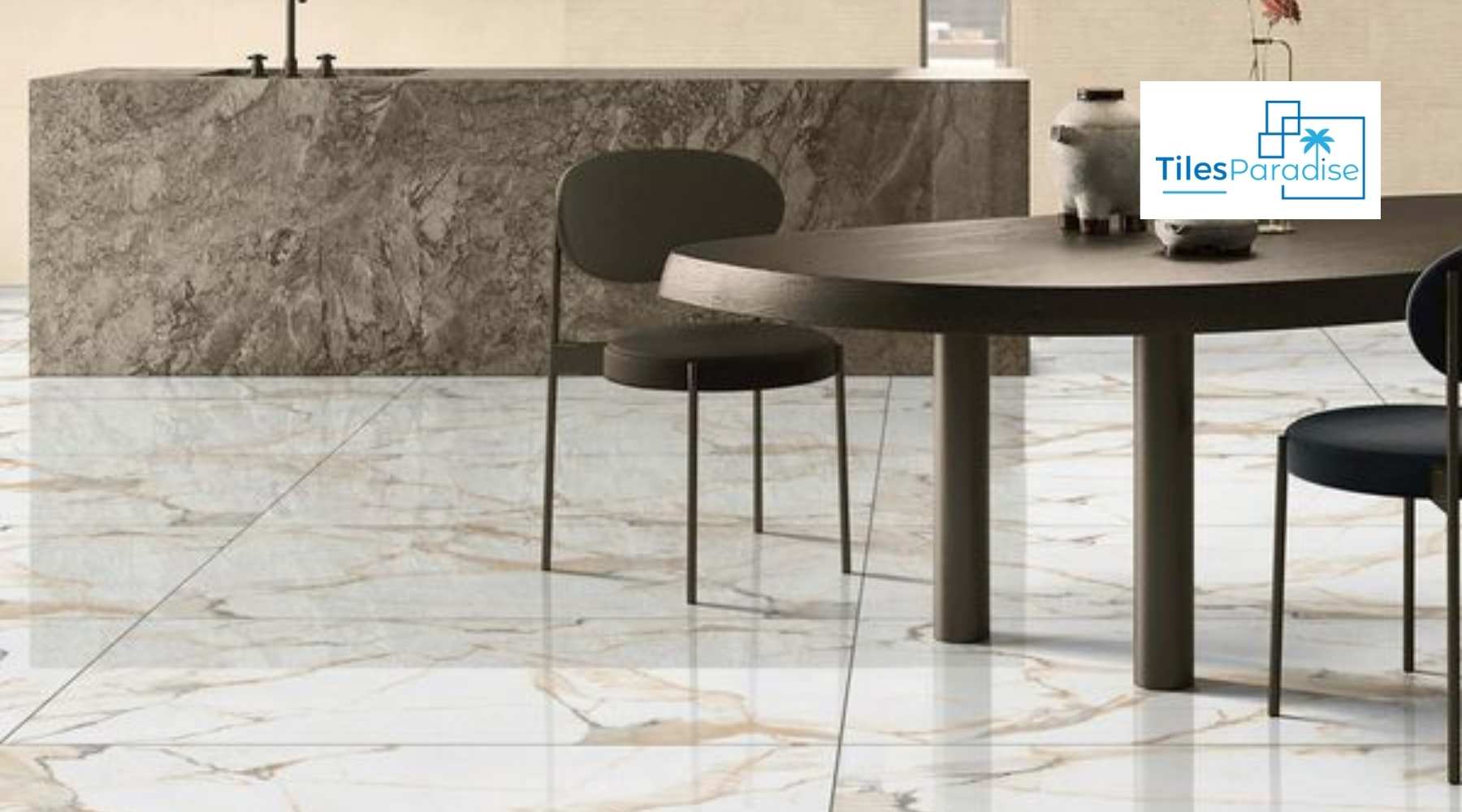
Choosing the right brown floor tiles starts with understanding shade, finish, and material — not just picking a colour. Whether searching for matt brown porcelain floor tiles for kitchen and hallway spaces or a warm dark brown for a bathroom, each attribute changes how a tile performs, feels underfoot, and holds up over time.
Brown tiles flooring has seen a significant resurgence across UK homes in 2024 and 2025, largely driven by earthy interior trends and Pantone's Mocha Mousse as Colour of the Year. From light caramel tones to deep chocolate and dark brown floor tiles, this guide covers every decision point so the right tile ends up on the right floor.
What Shade of Brown Floor Tile Suits Each Room?
Shade selection is the first and most consequential decision for any brown tiles flooring project. Light warm browns — caramel, honey, sand — work best in smaller rooms like en-suites and compact kitchens because lighter floor tiles brown reflect ambient light and prevent the space from feeling enclosed.
Dark brown floor tiles, such as chocolate or espresso tones, suit larger open-plan spaces, hallways, and living areas where high ceilings and generous natural light can balance the depth. For bathroom brown floor tiles, mid-tones with warm undertones are the most forgiving, concealing water marks and wear far better than very pale or very dark shades.
For inspiration across shades and finishes, browse the full floor tiles collection at Tiles Paradise.
Matt vs Gloss: Which Finish Works Best on Brown Floor Tiles?
Finish determines both the aesthetic and practical performance of brown floor tile. Matt brown porcelain floor tiles are the dominant choice for kitchens and hallways because a non-reflective surface hides scratches, footprints, and everyday grime more effectively than gloss. Matt finishes also carry a natural, textured look that complements wood-effect and stone-effect brown designs.
Gloss brown floor tiles bathroom settings can create a luxurious, spa-like feel, bouncing light around smaller wet rooms. The trade-off is that high-gloss surfaces show watermarks and are generally less slip-resistant, making them unsuitable for wet zones without an adequate R rating.
For kitchen and hallway projects where durability is critical, a matt-finish porcelain tile with a minimum PEI rating of 4 is the recommended starting point.
|
Finish |
Best Room Use |
Key Benefit |
Key Risk |
|
Matt |
Kitchen, Hallway, Bathroom Floor |
Hides dirt, slip-resistant |
Less reflective, can feel flat |
|
Gloss |
Bathroom Wall, Feature Areas |
Light-enhancing, premium look |
Shows marks, lower slip resistance |
|
Textured/R11 |
Wet Rooms, Outdoor Areas |
Maximum grip |
Harder to clean grout lines |
Porcelain vs Ceramic: Best Material for Brown Floor Tiles?
For floor tiles brown in high-traffic areas, porcelain is the superior material choice. Brown porcelain floor tiles are fired at higher temperatures and with finer clay, producing a water absorption rate below 0.5% compared to ceramic at 3 to 7%. This density difference makes porcelain significantly more resistant to staining, scratching, and moisture penetration in kitchens and hallways.
Ceramic brown kitchen floor tile remains a cost-effective option for walls, splashbacks, or low-traffic bathroom floors. It is easier to cut and install, which benefits DIY projects, but it is not recommended as a primary hallway or kitchen floor surface in busy households.
Brown porcelain tile flooring is also the correct material choice for non-slip floor tiles and for any installation over underfloor heating systems, where thermal density improves heat distribution and efficiency.
What Size Brown Floor Tile Works Best in a Kitchen or Hallway?
Tile format directly affects both the visual scale of a room and the complexity of installation. Large format brown floor tiles — such as 60x120cm rectangles — reduce grout lines significantly, creating a cleaner, more seamless look. This format is particularly effective in open-plan kitchen-dining rooms and wide hallways, making floor tiles brown appear more expansive.
|
Format |
Dimensions |
Best Use |
Visual Effect |
|
Standard |
30x60cm, 45x45cm |
Compact kitchens, bathrooms |
Balanced, traditional |
|
Large Format |
60x120cm |
Open kitchens, hallways |
Expansive, fewer grout joints |
|
Extra Large |
90x90cm |
Grand hallways, open-plan |
Seamless, hotel-like |
|
XXL |
120x120cm |
Luxury spaces, large rooms |
Maximum statement |
Browse 60x120cm rectangular large tiles, 90x90cm square extra large tiles, and 120x120cm extra extra large tiles to match room scale to format.
What Colour Walls Go With Brown Floor Tiles?
Wall colour is the single most common question tied to brown tile floor selection, and the answer depends on the undertone of the brown. Warm golden-brown and caramel floor tiles pair beautifully with off-white, cream, sage green, and sky blue walls. Cool-toned or grey-brown floor tiles respond well to slate grey, warm white, and terracotta-painted walls.
Dark brown floor tile in a kitchen works best balanced with white cabinetry and warm metallic accents such as aged brass or brushed gold. For brown floor tiles bathroom settings, white metro wall tiles remain the most reliable contrast choice, preventing the palette from feeling too heavy.
Avoid matching floor and wall tones too closely — a monochromatic brown-on-brown scheme without textural variation can appear flat. Introduce contrast through grout colour, furniture, or a single accent material such as natural rattan, linen, or slate.
What Grout Colour Should Be Used With Brown Floor Tiles?
Grout colour is an underestimated design decision that fundamentally changes how tile flooring brown reads in a finished room. For brown kitchen floor tiles and hallway tiles, a mid-grey or warm stone grout is generally the most practical choice — it remains neutral without showing soil as quickly as a light ivory or cream.
Matching the grout closely to the tile tone creates a seamless, continuous look that suits large format installations. A contrasting darker grout on grey and brown tile flooring can emphasise the tile shape and add graphic definition, which works well with geometric or patterned layouts.
Sealing floor grout is strongly recommended on brown bathroom floor tiles and kitchen floor tiles brown environments — a penetrating sealant applied 48 hours after grouting significantly reduces staining and discolouration over time.
Brown Floor Tiles in the Bathroom: Key Design Considerations
Brown bathroom floor tiles introduce warmth and a natural, spa-inspired quality that cooler neutrals like grey cannot replicate. Premium bathroom tiles in brown tones, particularly wood-effect and stone-effect porcelain, create a calm, grounded atmosphere without the visual weight of darker stone.
For bathroom brown floor tiles, slip resistance is non-negotiable. Select a tile with a minimum R9 rating for a standard bathroom floor, and R10 or above for wet rooms and shower trays. Matt and textured brown tiles consistently outperform polished surfaces in this respect.
Brown tiles flooring for bathrooms pairs well with white sanitaryware, warm-toned wooden vanity units, and warm brass or copper fixtures. For a more elevated look, consider pairing brown floor tiles with marble effect floor tiles on the walls to create a hotel-quality finish.
Brown Floor Tiles for Kitchen and Hallway: What to Prioritise?
The brown floor tiles kitchen specification differs from bathroom use in one critical way: abrasion resistance. Kitchen floor tiles brown must carry a PEI rating of 4 or 5 to withstand dropped items, grit tracked in from outside, and chair legs. Porcelain brown kitchen floor tile in a matt finish with a PEI 4 rating covers both durability and aesthetic requirements simultaneously.
For hallway tiles in brown, the priority shifts to anti-slip performance, colour concealment of dirt, and format. A dark brown floor tile in a large format with a muted satin-matt finish is the most practical choice for a UK hallway that faces outdoor footfall and variable weather. Avoid light pale browns in hallways with direct outdoor access — grit and soil become visible rapidly.
For a cohesive flow from hallway through to kitchen, use the same brown tile floor format in both spaces or select tones from the same colour family, transitioning from a slightly darker hallway shade to a lighter kitchen shade to define zones without disrupting visual continuity.
Porcelain Terrazzo Effect Floor Tiles for Kitchen and Bathroom
Terrazzo effect brown floor tiles represent one of the most on-trend evolutions of the brown tile palette for 2024 and 2025. The speckled, composite aesthetic of porcelain terrazzo effect floor tiles for kitchen and bathroom adds visual complexity to a brown base tone without introducing additional colours — warm amber flecks and cream inclusions within a brown ground tile work naturally in both kitchen and bathroom environments.
Porcelain terrazzo tiles combine the durability of full-body porcelain with a surface that conceals wear and variation across a large format installation. Browse the terrazzo tiles collection for formats suited to kitchen floors, bathroom floors, and feature walls.
How to Lay Large Format Porcelain Floor Tiles on a Concrete Subfloor With Underfloor Heating
Installing large format brown porcelain floor tiles over a concrete subfloor with underfloor heating requires specific preparation to prevent cracking and ensure even heat distribution. A full guide to how to lay porcelain floor tiles on concrete with underfloor heating covers subfloor preparation, adhesive selection, and heating commissioning timelines in detail.
Key considerations include using a flexible S1 or S2 tile adhesive rated for underfloor heating, allowing the concrete subfloor to cure fully before installation, and leaving expansion joints at all perimeters and doorways to accommodate thermal movement in large format porcelain tiles.
Brown Style Pairings: Stone, Wood, Marble and Onyx Alternatives
Brown floor tiles work most effectively when supported by complementary surface materials. Marble effect floor tiles in warm cream and vein tones pair elegantly with dark brown floor tiles in kitchens, combining warmth on the floor with cool luminosity on the walls.
Wood effect brown tiles offer a practical alternative to real timber, combining the visual warmth of oak and walnut grain with the waterproof durability of porcelain. Wood effect tiles are particularly suited to brown kitchen floor tile installations where moisture and heat exposure rules out genuine hardwood. For a more dramatic, luxurious finish, onyx floor tiles in brown and amber tones introduce translucency and depth not achievable with standard ceramic brown floor tile.
For outdoor continuity — extending brown floor tiles from interior kitchen flooring to a garden terrace — outdoor floor tiles and R11 patio porcelain tiles in coordinating brown and stone tones provide frost-resistant, anti-slip performance rated for UK outdoor conditions.
How to Clean and Maintain Brown Floor Tiles Long-Term?
Brown porcelain floor tiles require minimal maintenance compared to natural stone alternatives, but a consistent routine protects both the tile surface and grout joints over time. For daily cleaning, a dry microfibre mop or soft-bristle broom removes grit that would otherwise abrade a gloss surface. Wet mopping with a pH-neutral cleaner is sufficient for weekly maintenance.
Avoid acidic or bleach-based cleaners on brown tiles flooring with dark grout, as prolonged use will fade grout pigmentation and affect the contrast. For brown marble floor tiles or marble-effect porcelain, a stone-specific cleaner is recommended to preserve the surface finish.
Re-sealing grout joints every 12 to 24 months is recommended for brown bathroom floor tiles and kitchen tiles in high-use areas. A penetrating impregnator sealant is the correct product type — surface sealants alter the tile finish and are not compatible with textured brown tile floor surfaces.
Final Insights
Brown floor tiles offer one of the most versatile and enduring foundation choices in UK residential and commercial design. The combination of shade depth, material quality, finish type, and format size creates a specification that can range from a budget-conscious ceramic brown kitchen floor tile to a large format dark brown porcelain hallway installation that rivals hotel-grade finishes. Getting those four attributes aligned to the specific room, subfloor, and lifestyle requirements is what separates a floor that lasts from one that disappoints within a few years.
For kitchens and hallways specifically, matt brown porcelain floor tiles consistently deliver the most complete package of durability, safety, and design flexibility available in the market. Whether the priority is kitchen tiles, hallway surfaces, or a bathroom transformation, Tiles Paradise stocks a full range of brown floor tile formats, finishes, and shades suited to every UK project scale and budget.