The floor sets the tone for every room. A well-chosen tile handles traffic, moisture, and daily wear while making the space look intentional and finished. Browse the full tile collection for styles that work across every room type, finish preference, and budget.
What Are Floor Tiles Made From?
Porcelain floor tiles are fired at higher temperatures than ceramic, making them denser, less absorbent, and harder wearing under foot traffic. Ceramic tiles cost less and suit lower-traffic areas. Both materials cover the full range of flooring tiles needed in a domestic setting.
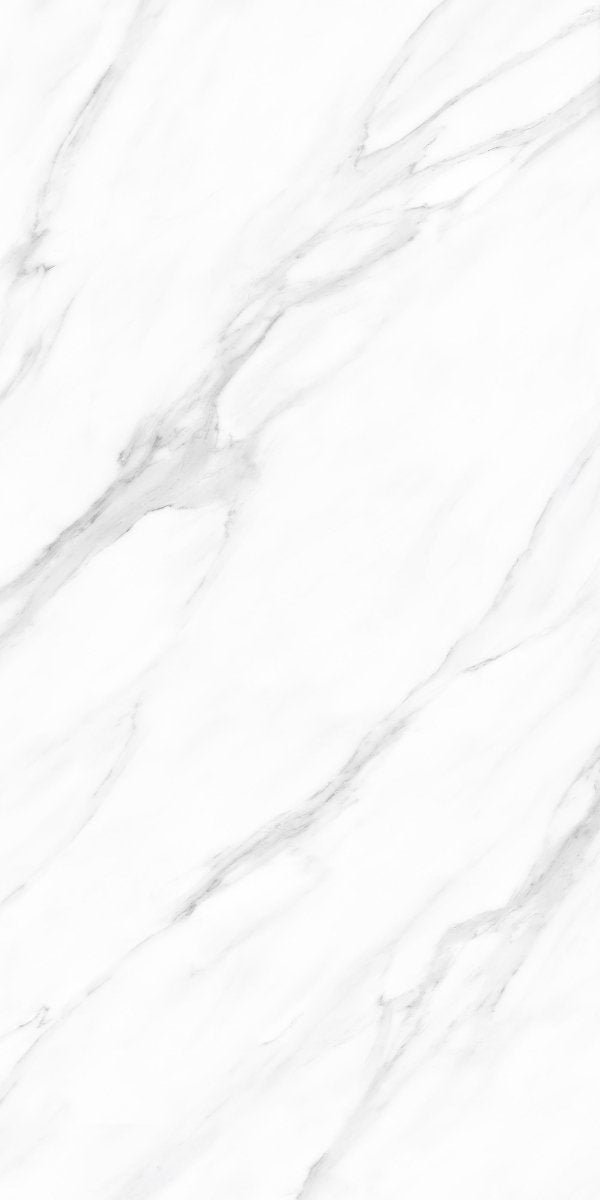
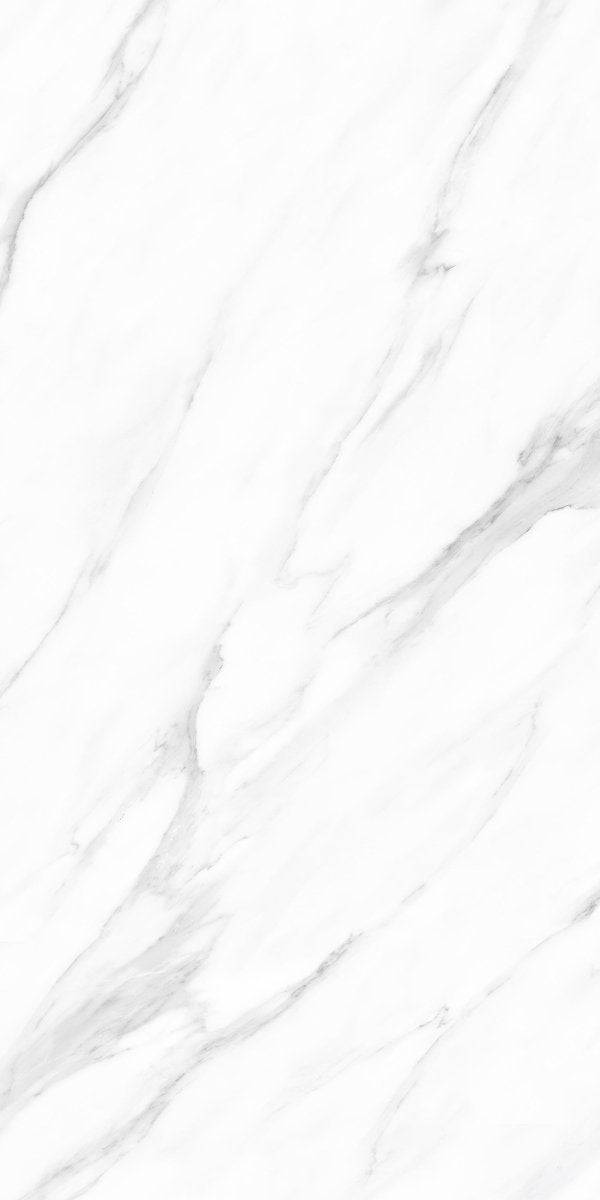
Natural materials like limestone floor tiles and marble floor tiles offer an authentic, premium look but require periodic sealing. Porcelain alternatives replicate both finishes with no sealing required and full frost resistance for outdoor use.
|
Material
|
Water Absorption
|
Hardness (Mohs)
|
Best Use
|
Price Range
|
|
Porcelain
|
< 0.5%
|
7+
|
Bathrooms, kitchens, and outdoor
|
Mid to premium
|
|
Ceramic
|
Up to 3%
|
5-6
|
Low-traffic dry areas
|
Budget to mid
|
|
Natural Stone
|
Varies
|
3-7
|
Hallways, living areas
|
Mid to premium
|
|
Vinyl / SPC
|
0%
|
N/A
|
DIY, rental, UFH compatible
|
Budget to mid
|
Porcelain vs Ceramic Floor Tiles
Porcelain floor tiles absorb almost no water, making them the reliable choice for wet rooms, kitchens, and any area with heavy footfall. A PEI wear rating of 4 or 5 is recommended for floor use in domestic spaces.
Ceramic floor tiles offer more colour variety at a lower price point and are ideal for bedrooms, conservatories, and utility rooms. For projects spanning different room types, compare ceramic and porcelain options side by side before committing to a material.
Bathroom Floor Tile Requirements
Porcelain is the standard material for bathroom floor tile projects because of its near-zero water absorption. Bathroom floor tiles in smaller formats (30x30cm or 45x45cm) provide more grout lines, which improves grip in wet conditions without specialist anti-slip coatings.
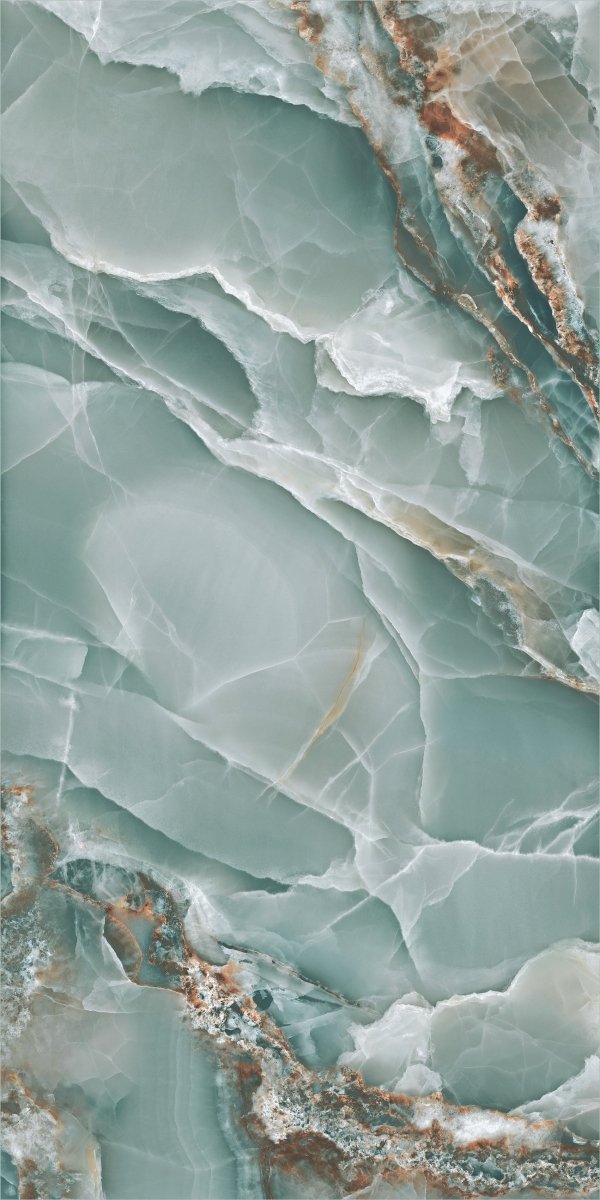
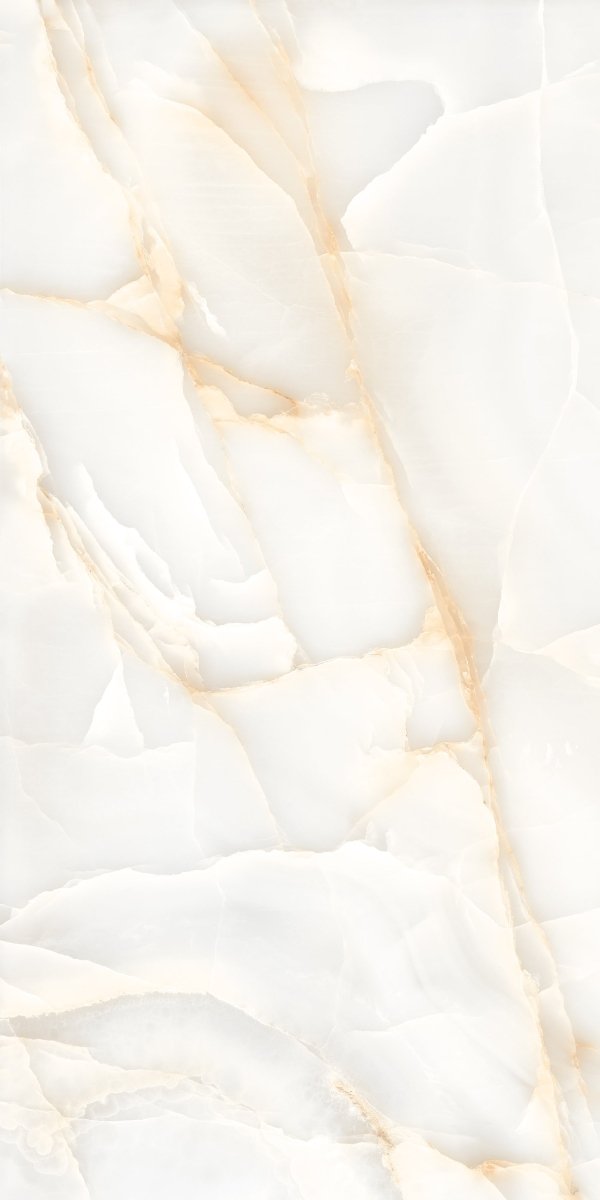
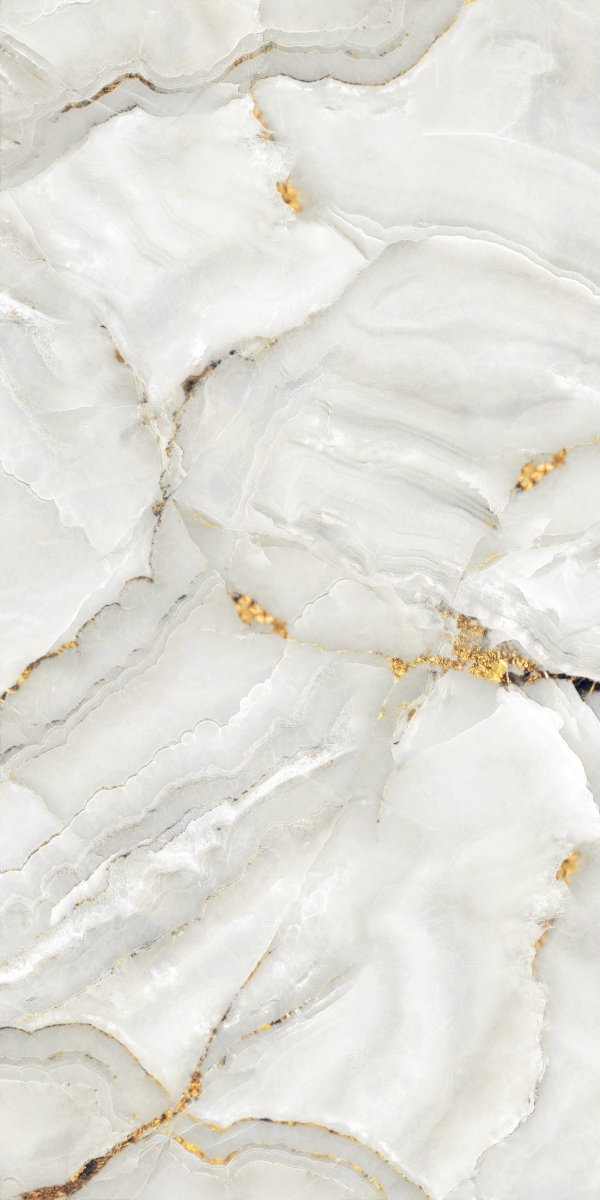
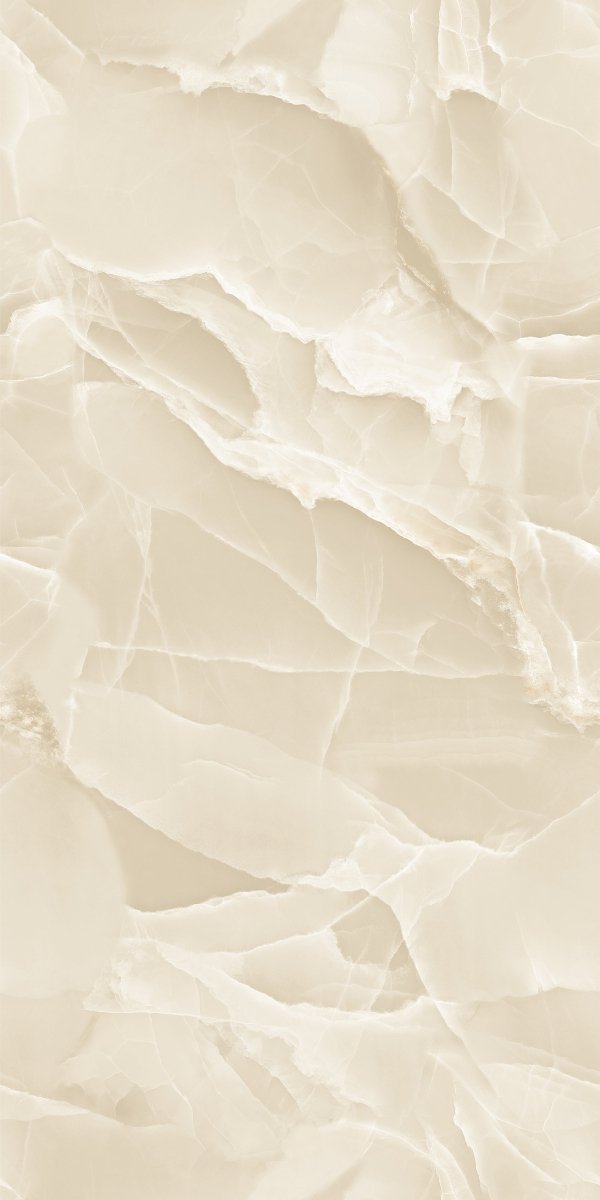
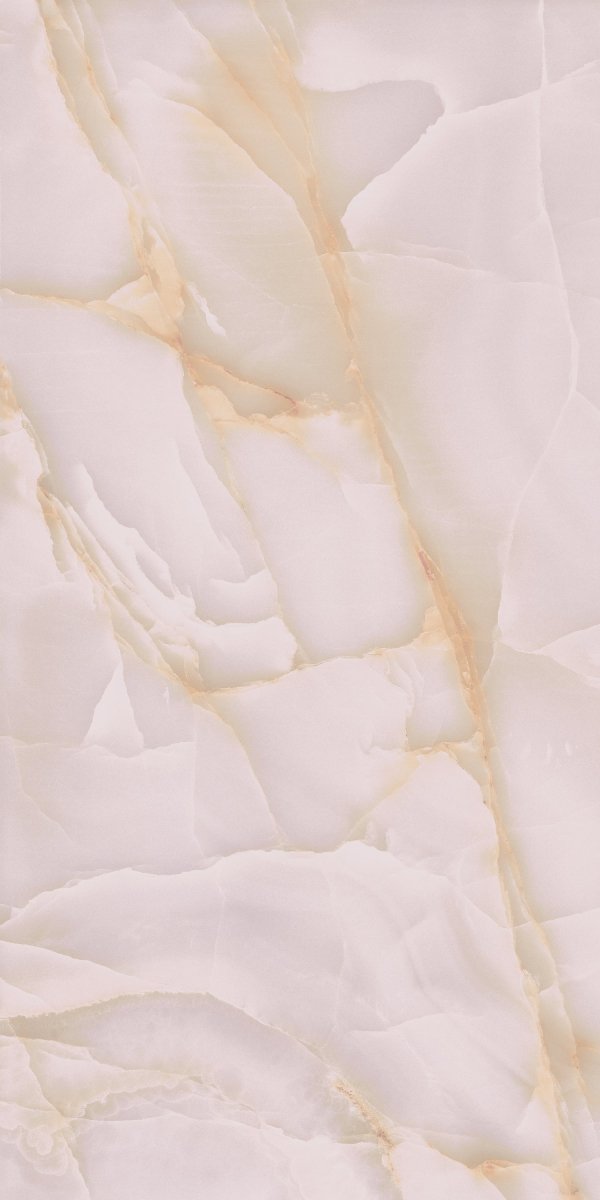
For a premium wet room finish, marble-effect floor tiles and onyx floor tiles deliver a high-end aesthetic in porcelain. No sealing is required, unlike natural marble or stone surfaces.
Kitchen Floor Tile Performance Specs
Kitchen flooring tiles need to handle water splashes, grease, heavy appliances, and constant footfall. A PEI rating of 4 or 5 and a minimum R10 slip resistance are the baseline requirements. The kitchen floor tile range is pre-selected to meet all of these technical standards.
Wood effect floor tiles are the most popular kitchen choice in UK homes. Porcelain wood-look planks offer the warmth of timber with no warping, swelling, or refinishing. Pair with kitchen wall tiles in a complementary tone for a cohesive result.
Outdoor Floor Tile Technical Standards
Outdoor porcelain must be frost-resistant, UV-stable, and rated R11 or above. Porcelain absorbs almost no moisture, preventing the freeze-thaw cracking that ruins less dense materials. The patio and garden porcelain range covers R11-rated 60x60cm and 60x90cm formats for ground-level installation.
A minimum tile thickness of 20mm is recommended for sand or gravel bed installation outdoors. For mortar-bed installation, 10mm to 12mm tiles are sufficient. The full outdoor tile collection carries full spec details on each format.
Colour Choice and Maintenance Trade-Offs
Colour affects both the look and the daily upkeep of a tiled floor. White floor tiles and pale cream floor tiles brighten small spaces but show footprints and dirt quickly. Mid-tones, including grey floor tiles, beige floor tiles, and warm taupe, conceal everyday marks far better in busy areas.
• Grey floor tiles - versatile for modern and industrial interiors
• Beige floor tiles - warm neutrals, suit traditional and Scandi-influenced spaces
• White floor tiles - maximise light in compact rooms, best for lower-traffic areas
• Cream floor tiles - softer than white, pairs with wood tones and warm metals
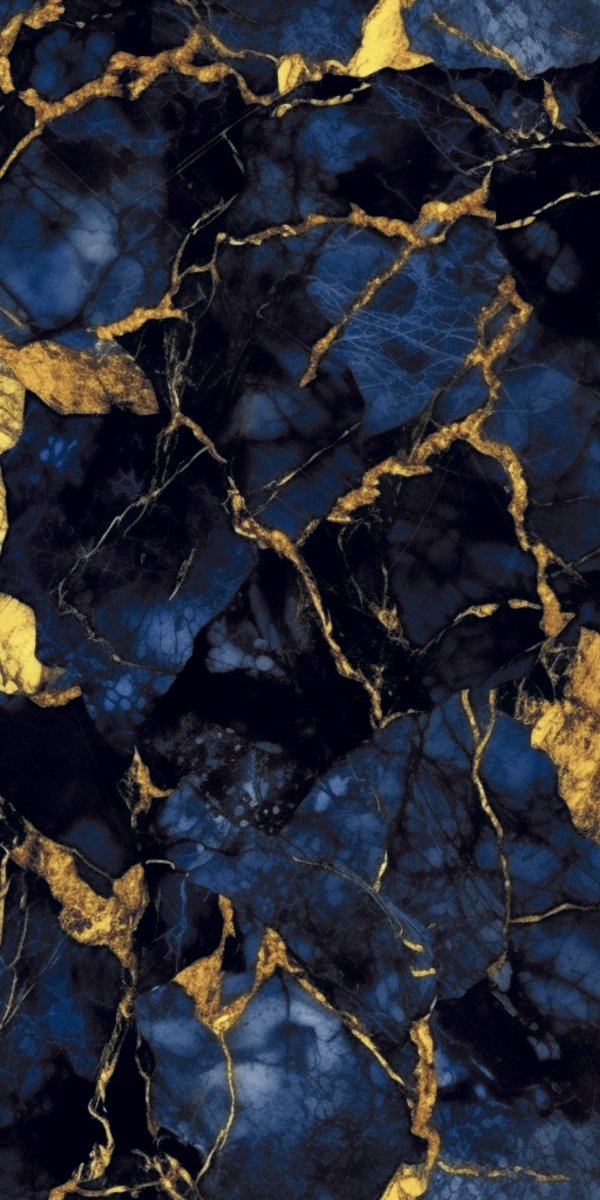
• Black tiles - bold contrast, suits modern bathrooms and statement kitchens
• Blue floor tiles - coastal and spa-inspired aesthetics
• Green floor tiles - botanical, earthy, on-trend for 2025
• Gold floor tiles - warm metallic tones for premium and maximalist finishes
• Pink floor tiles - contemporary blush and terracotta palettes.
Floor Tile Trends
Travertine-effect porcelain, warm limestone tones, and large-slab formats with minimal grout lines are the dominant choices in premium UK interiors. Terrazzo floor tile patterns have moved from hospitality into domestic bathrooms and open-plan kitchen spaces.
Victorian floor tiles in black and white palettes or sage and terracotta combinations are growing in demand for hallway and porch renovations.
Herringbone and chevron patterns in wood-effect and stone-effect porcelain remain popular for kitchen and bathroom floors. Warm earth tones across gold, green, and pink floor tiles reflect the broader shift toward nature-inspired interiors.
Wall Tiles vs Floor Tiles: Key Differences
Wall tiles are thinner and have lower surface hardness than floor tiles. Applying a wall tile to a floor causes cracking under foot traffic and point loads. A PEI rating of 0 or 1 means wall-only use. Browse wall tiles and floor tiles separately to confirm correct applications before purchasing.
Floor tiles can generally be used on walls, but the additional weight requires stronger adhesive and more robust wall fixings. Large-format floor tiles on walls need mechanical support clips during installation to prevent slippage while the adhesive cures.
Flooring Tiles for Outdoor Spaces
Flooring tiles for outdoor spaces must satisfy frost resistance, slip resistance, and structural load requirements at the same time. Porcelain is the safest outdoor material because it does not absorb rainwater that freezes. The outdoor floor tile collection includes R11 and R12-rated options for patios, pathways, and pool surrounds.
For garden projects, the R11 patio porcelain collection offers large-format slabs with textured surfaces that remain safe when wet. Always use a flexible exterior-grade grout outdoors to allow for seasonal ground movement.
Premium Bathroom Tiles and Spa Aesthetics
Premium bathroom tiles combine visual depth, surface quality, and technical performance. The premium bathroom tile collection includes large-format polished porcelain, book-matched marble-effect slabs, and onyx-effect surfaces that create a light-refracting, luxurious finish.
Terrazzo-style bathroom floor tiles in matt porcelain offer a quieter, textured alternative to polished surfaces. Matt finishes concealing watermarks and soap residue more effectively than gloss or polished tiles in daily bathroom use.
How to Choose the Right Floor Tile
Start with the room function. Wet rooms, kitchens, and outdoor spaces require specific technical ratings before aesthetics become relevant. Once the performance baseline is confirmed, size, colour, and pattern can be matched to the interior direction.
Consider the maintenance commitment. Polished and pale tiles show marks more readily than matt and mid-tone options. Natural stone needs periodic sealing.
Porcelain and ceramic floor tiles need only regular cleaning. For a long-lasting floor with minimal upkeep, porcelain remains the most widely recommended material across both bathroom and kitchen floor tile applications.
Best Porcelain Floor Tiles for Kitchens and Bathrooms
Choosing porcelain for a kitchen or bathroom goes beyond selecting a pattern. Slip ratings, water absorption levels, surface finish, and PEI wear grades all determine long-term performance.
The complete guide to the best porcelain floor tiles for kitchens and bathrooms covers all of this in detail, with spec comparisons and room-specific laying recommendations.