


Cassia Grey Onyx Polished Porcelain 30x60cm Walls and Floor Tiles
£24.95
Per m²
Shop 300+ bathroom wall tiles, floor tiles, and shower tiles at Tiles Paradise. Porcelain, ceramic, marble effect, and more. Free samples available.

 SAVE 17%
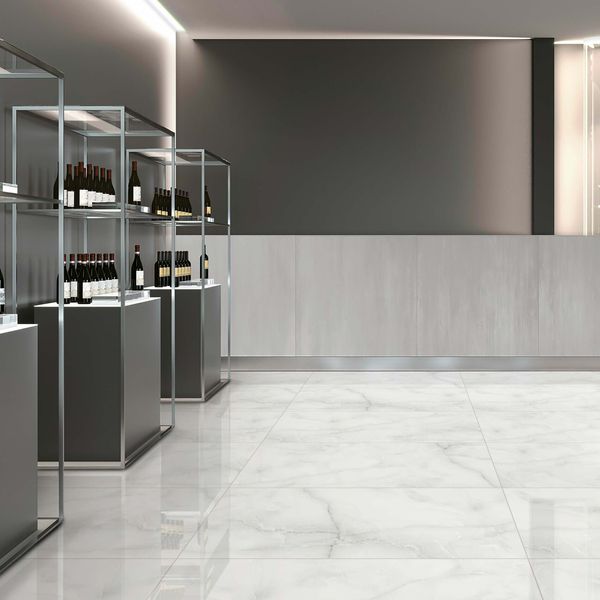
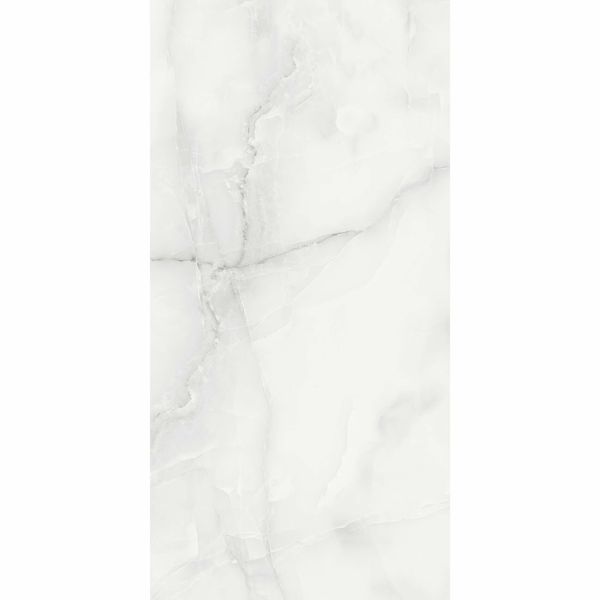 SAVE 17%

 SAVE 62%

 SAVE 50%

 SAVE 50%

 SAVE 10%

 SAVE 14%

 SAVE 10%
 SAVE 10%

 SAVE 10%

 SAVE 10%

 SAVE 14%

 SAVE 10%

 SAVE 58%

 SAVE 14%
Bathroom tiles define how a space looks, feels, and performs every single day. From compact cloakrooms to full wet rooms, the right tile choice brings together practicality and design into one lasting surface. Tiles Paradise offers over 300 carefully sourced bathroom tiles, from classic white bathroom tiles to bold marble bathroom tiles, at prices backed by a price match guarantee.
Bathroom wall tiles carry the visual weight of a bathroom, setting tone and character across the largest surfaces in the room. Polished porcelain reflects light and adds depth, while matt ceramic delivers a softer, more contemporary look. A well-chosen wall tile transforms even a plain layout into a space worth noticing.
The floor is the hardest-working surface in any bathroom, exposed to constant moisture, foot traffic, and daily cleaning. Bathroom floor tiles in porcelain offer low water absorption and long-term wear resistance across all traffic levels. For households with children or elderly family members, anti-slip bathroom tiles with R10 and R11 ratings deliver confidence underfoot without compromising on appearance.
|
Feature |
Porcelain |
Ceramic |
|
Water absorption |
Less than 0.5% |
Higher |
|
Ideal use |
Floors, wet rooms, walls |
Walls, light-use floors |
|
Durability |
Very high |
Good |
|
Weight |
Heavier |
Lighter |
|
Price range |
Mid to premium |
Budget to mid |
Porcelain bathroom tiles are the first choice for shower enclosures, wet rooms, and bathroom floors where moisture resistance is critical. Ceramic bathroom tiles suit wall applications where design versatility and ease of installation take priority. Both materials are available across the full colour range, from classic white bathroom tiles to black and white bathroom tiles.
Shower tiles and wetroom tiles face higher moisture exposure than any other surface in the home, so material selection and surface rating matter significantly.
Glazed porcelain with a low water absorption rate performs best in permanently wet conditions, while anti-slip surface ratings prevent hazardous surfaces in shower trays and wet room floors. Large format bath tiles with minimal grout lines also reduce mould accumulation in shower enclosures over time.
Key specifications to check for shower and wet room use:
Surface rating: R10 minimum for shower floors, R11 for wet rooms
Water absorption: under 0.5% for porcelain in full wet areas
Grout compatibility: flexible waterproof grout recommended throughout
Format: 60x120cm large format reduces grout lines in shower walls
Large bathroom tiles, particularly 60x120cm and 90x90cm formats, create a continuous surface that visually expands a room by eliminating unnecessary grout breaks. A polished finish in a light colourway amplifies natural light and makes floor tiles and bathroom surfaces feel open and uninterrupted.
In smaller bathrooms, large-format tiles with minimal contrast grout remain one of the most effective tools for creating an illusion of greater space.
Marble bathroom tiles reproduce the fine veining and tonal variation of Calacatta, Statuario, and Carrara marble in a durable porcelain body that requires no sealing. Unlike natural stone, marble-effect porcelain resists staining, acidic cleaning products, and moisture penetration across walls and floors.
For a more dramatic effect, onyx effect tiles deliver deep translucency and bold movement, suited to feature walls and shower backdrops.
Mosaic bathroom tiles introduce detail and grip to surfaces where larger formats would feel monotonous or unsafe. Bathrooms with mosaic tile features on shower floors gain both anti-slip texture and visual interest in one application.
Small-format mosaic patterns work particularly well as border details, niche insets, or full feature wall treatments in contemporary bathroom tiling projects.
Colour selection shapes the atmosphere of a bathroom more directly than any other single decision in the tiling process.
Neutral and light tones:
White bathroom tiles: Maximise light, suit all bathroom sizes, pair cleanly with any fixture finish
Beige bathroom tiles: Warm neutrals that balance contemporary and traditional interiors
Grey bathroom tiles: The most popular choice in UK bathrooms, versatile across matt and polished finishes
Bold and accent tones:
Blue bathroom tiles: Calming, spa-inspired; from pale duck egg to deep navy
Green tiles bathroom shades: Sage, forest, and emerald tones suit biophilic and nature-inspired interiors
Gold bathroom tiles: Warm metallics that elevate both classic and contemporary schemes
Black bathroom tiles: High-impact finishes for feature walls, niches, and monochrome layouts
A white bathroom with white tiles throughout creates a clean, light-filled look that remains timeless across changing trends. Black and white bathroom tiles introduce a sharp graphic contrast, particularly in smaller or otherwise plain layouts. Pink bathroom tiles have seen strong growth in popularity as a warmer, more expressive alternative to conventional neutrals.
Vinyl tile bathroom applications suit renovation projects where subfloor preparation is limited or budget is a primary constraint. Unlike porcelain or ceramic, vinyl bathroom tiles offer a fully waterproof click-lock format that sits over most existing floor surfaces without adhesive.
For new-builds and full bathroom tiling projects, however, porcelain floor tiles bathroom installations remain the preferred long-term choice for durability and value retention.
Sound bathroom and tiling decisions depend on matching tile properties to the specific demands of each surface area.
Walls above wet zones: Glazed porcelain or ceramic, minimum PEI Class 0-1, grout joints of 2-3mm
Shower walls: Porcelain, water absorption below 3%, flexible adhesive and waterproof grout throughout
Bathroom floors (dry zones): Porcelain or ceramic, PEI Class 3 minimum, R9 surface rating acceptable
Shower floors and wet room floors: Porcelain, PEI Class 4-5, R10-R11 anti-slip rating, small format or mosaic preferred for drainage gradient
Underfloor heating compatibility: Confirm tile thermal resistance (tog value) below 0.15 for electric systems; porcelain conducts heat more efficiently than ceramic
Modern bathroom tile ideas balance visual impact with practical performance across walls, floors, and wet areas. Paired large-format grey bathroom tiles on both walls and floors create a seamless, spa-like finish without heavy grout maintenance.
The full bathroom tile ideas guide covers trending combinations, material pairings, and finish contrasts across different bathroom sizes and styles.
Small bathroom tile ideas centre on maximising light reflection and minimising visual interruption across surfaces. Large-format white bathroom tiles with matching grout remain the most consistently effective approach for creating a feeling of openness in compact layouts.
The dedicated small bathroom tile guide explores format selection, colour strategy, and layout patterns that make the most of limited floor area.
Large format tiles in light colours with minimal grout contrast make a small bathroom appear more spacious. A 60x60cm or 60x120cm white or light grey tile in a polished finish reflects light effectively across floor and wall surfaces.
Floor tiles carry a slip resistance rating and are denser to handle weight and foot traffic. Wall tiles are lighter and optimised for adhesion on vertical surfaces, but are not rated for floor use.
Glazed porcelain tiles with low water absorption and appropriate anti-slip ratings are fully suitable for shower walls and floors. Wall-only ceramic tiles should not be used on shower floors where anti-slip performance is required.
Epoxy or polymer-modified grout is recommended throughout bathroom tiling due to its water resistance and mould inhibition. In wet rooms and shower enclosures, fully waterproof flexible grout is essential for long-term performance.
Free samples are available on selected tiles across the bathroom range, allowing a tile to be assessed in real bathroom lighting before placing an order.


