





Tiles have long dominated bathroom design, but many UK homeowners are now exploring a smarter, more flexible approach. Whether the goal is to cut renovation costs, eliminate grout maintenance, or achieve a cleaner, more modern look, finding a reliable alternative to bathroom tiles has become one of the most-searched topics in UK home improvement.
From waterproof wall panels to microcement and luxury stone-effect finishes, the options available cater to every budget and style. This guide covers the best alternatives for both walls and floors.
Why Are Homeowners Moving Away from Traditional Tiles?
Traditional ceramic and porcelain tiles are durable, but grout lines harbour mould and mildew, especially in poorly ventilated UK bathrooms. Installation is time-consuming and costly, and replacing a single cracked tile often means re-grouting an entire area.
For homeowners renovating on a tight budget or timeline, tile-free alternatives have become an increasingly practical choice.
What Are the Most Popular Alternatives to Tiling in Bathroom Walls?
Waterproof wall panels are the most widely used alternative to tiles in bathroom walls across the UK. Available in PVC, acrylic, and composite materials, panels come in widths up to 1,000mm and are typically 5–10mm thick. Popular finishes include:
-
Marble-effect for a premium, luxury look
-
Concrete effect for an industrial, contemporary feel
-
Stone-effect for a natural, earthy aesthetic
-
Gloss white or solid colour for a clean, minimalist result
Panels click together using a tongue-and-groove or click-lock system, removing the need for adhesive, grout, or specialist tools. Installation typically completes in a single day. Explore the full range of bathroom wall tiles for those who prefer the classic look alongside a panel comparison.
Are Bathroom Wall Panels a Cheaper Alternative to Bathroom Tiles?
Cost is one of the biggest reasons UK homeowners consider switching. For a standard bathroom (approx. 5–6 m² of wall space), PVC wall panels typically cost £150–£450 all-in, compared to £225–£600 for ceramic tiles and £300–£900 for porcelain once labour and grouting are included. Microcement sits at the premium end at £450–£1,000 professionally installed.
Labour savings alone can reduce the total project cost by 30–40% when choosing panels over tiles, making them the most practical, cheaper alternative to bathroom tiles for most UK renovation budgets.
Is Microcement a Good Alternative to Tiles in Bathroom Walls and Floors?
Microcement is a thin, cement-based coating applied in multiple layers directly over walls, floors, and even existing tiles. It creates a seamless, joint-free surface with no grout lines, making it one of the most hygienic finishes available for UK bathrooms.
Key attributes include waterproofing when sealed (suitable for wet rooms), a thickness of just 2–3mm, and total installed costs of £80–£150 per m². A professional application is essential, as poor sealing leads to cracking or water ingress. When fitted correctly, microcement outperforms grout-dependent surfaces in both hygiene and longevity.
What Is Polished Plaster and Venetian Plaster as an Alternative to Tiles?
Polished plaster and Venetian plaster are lime-based decorative finishes that have seen a major revival in UK luxury bathroom design. Applied by hand in multiple coats and burnished to a smooth, stone-like surface, polished plaster creates depth and texture that no tile can replicate.
Tadelakt, a traditional Moroccan lime plaster, is sealed with natural olive soap during application, making it genuinely waterproof and suitable for shower walls. It is increasingly specified in high-end wet rooms across the UK. Expect professional application costs of £60–£200+ per m², and a skilled specialist plasterer is essential.
What Are the Best Alternatives to Tiles for Bathroom Floors?
Floor alternatives require specific consideration around slip resistance, waterproofing, and suitability for underfloor heating. The leading options for an alternative to bathroom floor tiles in the UK include:
1. Luxury Vinyl Tile (LVT) and SPC Flooring SPC (Stone Plastic Composite) flooring is 100% waterproof, dimensionally stable, and available in realistic wood, stone, and concrete effects. It is compatible with underfloor heating, easy to click-install, and comfortable underfoot. Cost: £15–£40 per m².
2. Vinyl Sheet Flooring Seamless and fully waterproof, vinyl sheet is one of the most practical cheaper alternatives to bathroom tiles for floors. Available in widths up to 4 metres, it eliminates joins entirely. Cost: £8–£25 per m².
3. Microcement Floors As with walls, microcement creates a seamless, continuous surface ideal for wet rooms and walk-in showers. Requires anti-slip sealer in wet zones. Cost: £80–£150 per m² installed.
4. Rubber Flooring Non-slip, waterproof, and highly durable, rubber flooring suits accessible bathrooms and wet rooms. Available in rolls or modular tiles.
For those who still prefer a tiled look but with practical benefits, bathroom anti-slip tiles offer safety-rated slip resistance without compromising on aesthetics.
How Do Wet Wall Panels Compare to Traditional Bathroom Tiles?
Wet wall panels are a specific category of waterproof panel designed exclusively for high-moisture bathroom environments, including shower enclosures and wet rooms. Unlike standard panels, wet wall panels are tested to Kitemark standards for water resistance.
No grout is required, mould risk is very low, and installation completes in a single day compared to two to three days for traditional tiling. For rental properties, quick refurbishments, and budget-conscious renovations, wet wall panels are a highly practical alternative to tiles in bathroom walls.
What Is the Best Alternative to Tiles for a Bathroom Shower?
Shower zones require the highest level of waterproofing and surface integrity. The most reliable alternatives to tiling in a bathroom shower include:
-
Solid acrylic or solid surface panels: non-porous, seamless, and impact-resistant; widths up to 1,200mm; premium choice for shower enclosures
-
Glass panels: frameless glass walls offer a premium, grout-free shower environment; high cost but exceptional durability
-
Microcement: ideal for walk-in showers and wet rooms when professionally applied and properly sealed
-
Large-format porcelain panels: slabs measuring 1,200mm x 2,400mm cover an entire shower wall in a single piece; no grout lines; compatible with porcelain bathroom tiles in adjoining areas
For a luxurious effect without committing to full microcement, marble-effect bathroom tiles in large formats dramatically reduce grout lines while maintaining the elegance of natural stone.
Can Waterproof Paint Replace Tiles in a Bathroom?
Waterproof bathroom paint is one of the most affordable alternatives to tiling a bathroom, particularly for low-splash zones such as above dado height or in cloakrooms. It is not suitable for shower enclosures without a specialist membrane beneath.
It performs well on cloakroom walls, ceilings, and areas with minimal direct water contact. In sustained wet zones, paint alone is insufficient. As a cheaper alternative to bathroom tiles in low-moisture areas, it works best when combined with a proper tanking system in adjacent wet zones.
Which Tile Alternatives Work Best for Small UK Bathrooms?
In compact bathrooms, surface choice has a significant impact on visual space. Large-format panels in light or gloss finishes reflect light and open up the room. Continuous microcement across walls and floors removes visual divides entirely. Seamless vinyl sheet flooring eliminates disruptive floor joins that fragment small spaces.
Terrazzo bathroom tiles add visual interest without the busyness of small-format patterns, while onyx-effect bathroom tiles create a dramatic, high-gloss focal point in compact en-suites. Uninterrupted surfaces are consistently the most effective choice for making small UK bathrooms feel larger.
How to Tile a Bathroom Step-by-Step
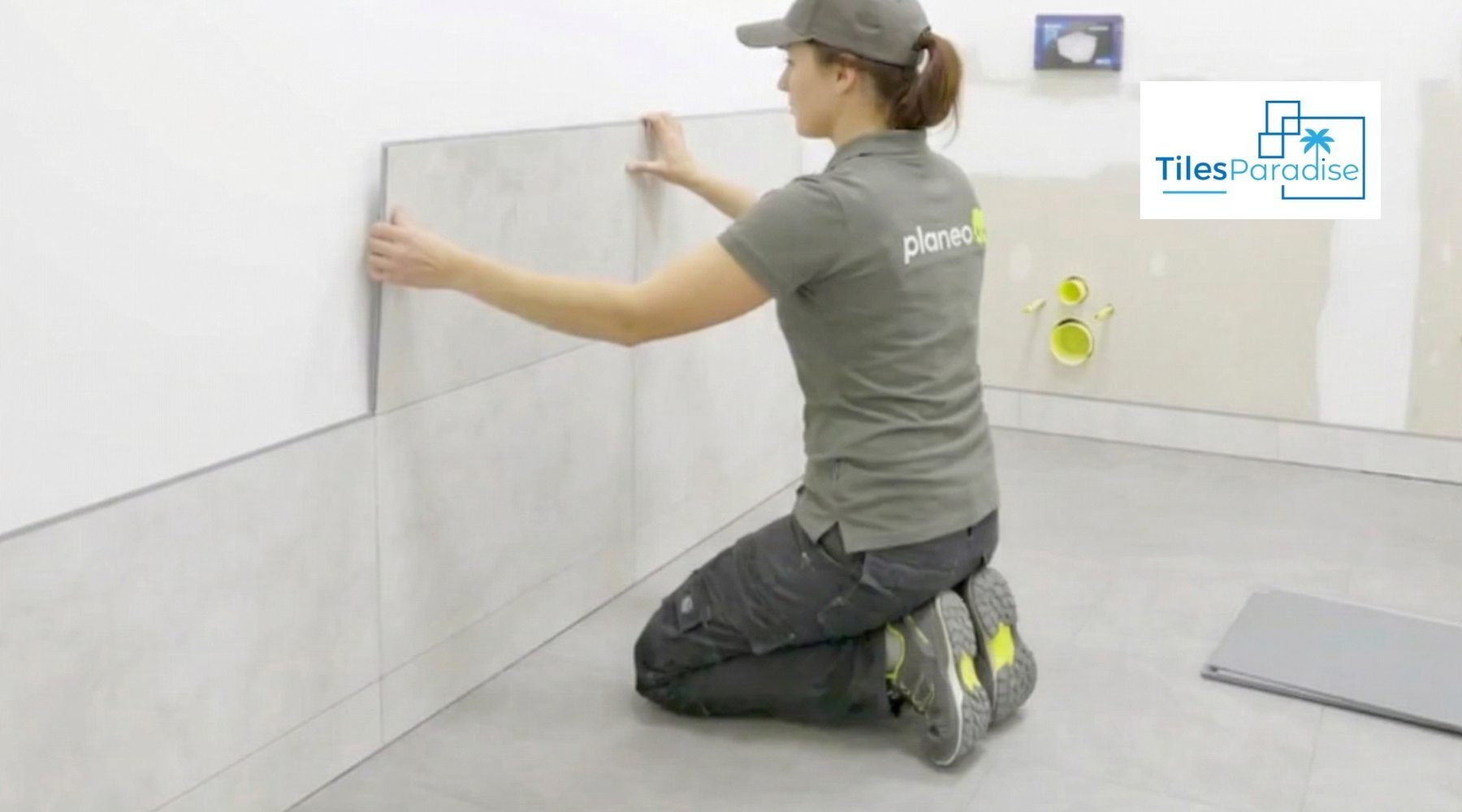
For those who decide traditional tiles remain the right choice, proper installation is critical for longevity and waterproofing. The process covers surface preparation, waterproof membranes, adhesive application, tile laying, grouting, and sealing. A full walkthrough is available in the step-by-step guide on how to tile bathroom walls and floors.
How to Clean Bathroom Tiles
Whether using tiles or tile-effect panels, regular maintenance keeps surfaces and grout looking fresh. pH-neutral cleaners work well on glazed surfaces, baking soda paste tackles grout lines, and steam cleaning removes embedded staining. For a full routine, visit the guide on cleaning bathroom tiles and grout.
Final Thoughts
The bathroom surfaces market in the UK has evolved significantly, and there is now a practical alternative to tiling a bathroom for every budget, style, and situation. From affordable PVC panels and vinyl flooring to premium microcement and polished plaster, no single material suits every space.
Matching the chosen surface to the wetness zone, budget, and design goal is the key to a successful renovation. Exploring bathroom floor tiles and bathroom ceramic tiles alongside these alternatives ensures the best possible outcome for any UK bathroom project.