





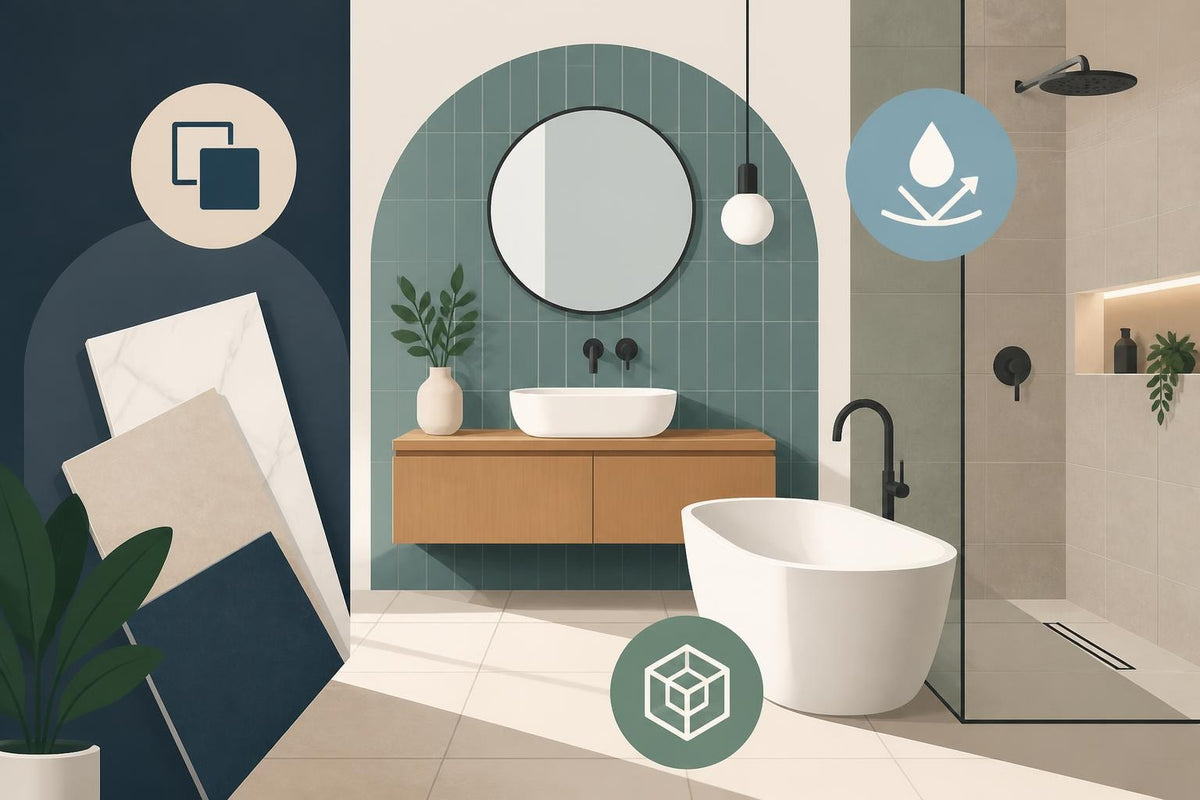
Choosing the right materials for bathroom renovation requires careful consideration of durability, aesthetics, and practical performance. Ceramic tiles for bathroom applications have remained a popular choice among UK homeowners for decades, offering an exceptional balance of affordability, design versatility, and long-term reliability. With moisture resistance, easy maintenance, and an extensive range of styles, ceramic tiles continue to dominate bathroom projects across residential and commercial properties. Understanding the unique characteristics of ceramic options helps you make informed decisions that enhance both functionality and visual appeal in one of your home's most essential spaces.
Understanding Ceramic Tile Composition and Benefits
Ceramic tiles are manufactured from clay materials that undergo high-temperature firing processes, creating a durable surface suitable for wet environments. The production method involves shaping clay mixtures into tiles, applying glazes for color and finish, then firing at temperatures exceeding 1000 degrees Celsius. This process creates a hard, water-resistant surface ideal for bathroom applications.
The primary advantage of ceramic tiles for bathroom installation centers on their impressive moisture resistance. The glazed surface creates a protective barrier that prevents water penetration, making these tiles particularly suitable for shower enclosures, vanity areas, and floor installations. Unlike natural stone options, ceramic tiles require minimal sealing and maintenance, saving homeowners both time and expense over the tile's lifespan.
Cost-Effectiveness and Value Proposition
Budget considerations play a significant role in bathroom renovation decisions. Ceramic tiles typically cost less than porcelain alternatives while delivering excellent performance in most bathroom applications. This cost advantage allows homeowners to allocate more budget toward professional installation, high-quality adhesives, or complementary design elements like fixtures and fittings.
Key financial benefits include:
-
Lower material costs compared to porcelain and natural stone
-
Reduced installation expenses due to easier cutting and handling
-
Minimal ongoing maintenance requirements
-
Long lifespan reducing replacement frequency
-
Wide availability keeping prices competitive
The value proposition extends beyond initial purchase price. When you factor in durability, ease of cleaning, and resistance to common bathroom challenges like humidity and temperature fluctuations, ceramic tiles for bathroom projects represent a sound long-term investment.

Design Flexibility and Aesthetic Options
Modern manufacturing techniques have revolutionized ceramic tile aesthetics. Today's ceramic tiles for bathroom spaces can convincingly mimic natural materials including marble, stone, wood, and concrete. Ultra-realistic tile finishes have made it possible to achieve high-end looks without the maintenance challenges or expense associated with genuine materials.
Color options span the entire spectrum, from classic whites and neutrals to bold statement hues. Glazing technology allows manufacturers to create complex patterns, textures, and visual effects that were impossible just a decade ago. Whether your design vision leans toward traditional elegance or contemporary minimalism, ceramic tiles offer solutions that align with virtually any aesthetic direction.
Size and Format Variations
|
Tile Size |
Best Applications |
Visual Impact |
|
Small format (100mm-150mm) |
Shower floors, accent walls, traditional designs |
Creates intricate patterns, classic appearance |
|
Medium format (200mm-300mm) |
General walls, standard floors |
Balanced look, versatile styling |
|
Large format (400mm+) |
Feature walls, spacious floors |
Modern aesthetic, fewer grout lines |
|
Mosaic sheets |
Backsplashes, niches, decorative borders |
Detailed designs, textural interest |
The size selection significantly influences both installation complexity and final appearance. Large-format ceramic tiles for bathroom floors can make small spaces appear more expansive by reducing visual interruption from grout lines. Conversely, smaller tiles work beautifully in shower areas where slip resistance and drainage matter most.
Technical Performance Characteristics
Understanding technical specifications helps ensure your ceramic tile selection meets bathroom-specific requirements. Water absorption rates, measured as a percentage of tile weight, determine suitability for various bathroom zones. Ceramic tiles typically have higher absorption rates than porcelain but remain well within acceptable ranges for bathroom use when properly glazed.
Slip resistance represents another critical performance factor, particularly for floor applications. The coefficient of friction (COF) rating indicates how slippery a surface becomes when wet. For bathroom floors, selecting tiles with textured finishes or matte glazes improves safety without sacrificing aesthetic appeal. Understanding the differences between wall and floor tiles helps you choose appropriate products for each application.
Durability and Wear Ratings
The Porcelain Enamel Institute (PEI) rating system classifies glazed tiles based on abrasion resistance. While this system was developed for porcelain, it applies to ceramic tiles as well:
-
PEI 0-1: Wall use only, not suitable for floors
-
PEI 2: Light residential traffic, suitable for bathroom floors
-
PEI 3: Moderate residential traffic, ideal for family bathrooms
-
PEI 4: Heavy residential and light commercial use
-
PEI 5: Heavy commercial applications
Most ceramic tiles for bathroom floors carry PEI ratings of 2 or 3, providing adequate durability for residential applications. Wall tiles often have lower ratings since they experience minimal abrasion. Selecting tiles with appropriate ratings for each application ensures long-term performance without premature wear.
Installation Considerations and Best Practices
Proper installation determines whether ceramic tiles for bathroom projects deliver their full performance potential. Surface preparation forms the foundation of successful installation. Substrates must be clean, level, and structurally sound. Moisture-resistant backer boards like cement board provide ideal surfaces for wet areas including showers and tub surrounds.
Adhesive selection matters significantly. Modified thin-set mortars offer superior bonding strength and flexibility compared to basic adhesives. For shower installations and areas exposed to standing water, waterproofing membranes create an additional barrier protecting underlying structures from moisture damage. Comprehensive bathroom tile guides emphasize the importance of proper waterproofing in wet areas.
Grout Selection and Application
Grout serves both functional and aesthetic purposes. It fills joints between tiles, prevents moisture penetration, and contributes to overall design appearance. For ceramic tiles for bathroom applications, consider these grout options:
-
Unsanded grout: Best for joints narrower than 3mm, provides smooth finish
-
Sanded grout: Suitable for joints 3mm-10mm wide, offers structural strength
-
Epoxy grout: Premium option with superior stain resistance and waterproofing
Grout color dramatically impacts visual results. Matching grout to tile color creates a seamless, unified appearance that makes spaces feel larger. Contrasting grout emphasizes individual tiles and creates geometric patterns that add visual interest. If you're planning to learn how to grout properly, understanding these options helps achieve professional results.

Comparing Ceramic to Alternative Materials
Making informed material choices requires understanding how ceramic tiles for bathroom projects compare to alternatives. Porcelain tiles, manufactured from more refined clay and fired at higher temperatures, offer lower water absorption and greater density. However, porcelain tile characteristics come with higher costs and more challenging installation requirements.
Natural stone materials like marble, travertine, and slate provide unique beauty but demand regular sealing and careful maintenance. Stone tiles can stain, etch from acidic cleaners, and require specialized care that ceramic options avoid. For homeowners seeking stone aesthetics without maintenance challenges, ceramic tiles with stone-look finishes offer practical alternatives.
Material comparison overview:
|
Material |
Water Resistance |
Maintenance |
Cost |
Installation Difficulty |
|
Ceramic |
Excellent |
Low |
Budget-friendly |
Moderate |
|
Porcelain |
Superior |
Very low |
Moderate-high |
Challenging |
|
Natural stone |
Variable |
High |
High |
Moderate-challenging |
|
Vinyl |
Good |
Low |
Low |
Easy |
When exploring different types of bathroom tiles, ceramic consistently ranks among the most balanced options for typical residential bathrooms. The combination of performance, affordability, and design flexibility makes ceramic tiles suitable for diverse project requirements.
Design Strategies for Bathroom Spaces
Strategic tile placement maximizes visual impact while maintaining practical functionality. Achieving the right balance of tiles in a bathroom prevents overwhelming spaces with too much pattern or texture. Consider these design approaches when planning ceramic tiles for bathroom installations:
Feature wall applications: Using distinctive ceramic tiles on a single accent wall creates focal points without overpowering smaller bathrooms. Statement tiles behind vanities or in shower enclosures draw attention while keeping other surfaces simple and understated.
Floor-to-ceiling consistency: Extending floor tiles partially up walls creates visual continuity and simplifies maintenance in wet zones. This approach works particularly well in walk-in showers where consistent tiling enhances waterproofing.
Mixed materials approach: Combining ceramic tiles with painted walls, natural wood elements, or metallic accents creates layered designs with depth and character. Limiting tile coverage to areas requiring water protection allows other materials to contribute warmth and texture.
Color Psychology and Space Perception
Light-colored ceramic tiles for bathroom spaces enhance brightness and create illusions of greater square footage. White, cream, and pale gray tiles reflect light effectively, making compact bathrooms feel more open and airy. These neutral foundations accommodate changing décor trends and provide timeless appeal that outlasts temporary design fads.
Darker tiles create dramatic, sophisticated atmospheres but require careful implementation in smaller spaces. Using dark tiles selectively on floors or single walls prevents spaces from feeling closed-in. Pairing dark ceramic tiles with ample lighting, white fixtures, and reflective surfaces maintains balance.
Bold color choices inject personality and energy into bathrooms. Vibrant blues, greens, or terracotta tones work beautifully as accent elements or in larger bathrooms where they won't overwhelm. If you're interested in exploring bathroom color schemes, understanding how tile color influences overall atmosphere helps create cohesive designs.

Maintenance and Long-Term Care
Ceramic tiles for bathroom applications require minimal maintenance when properly installed. Regular cleaning with pH-neutral cleaners preserves glaze integrity and prevents buildup. Avoid abrasive scrubbers that might scratch glazed surfaces, opting instead for soft cloths or non-scratch pads.
Grout maintenance presents the primary ongoing care requirement. Sealed grout resists staining and moisture penetration more effectively than unsealed joints. Resealing grout lines every 12-24 months maintains protection and keeps bathrooms looking fresh. For those considering regrouting tile projects, replacing deteriorated grout revitalizes appearances without replacing entire installations.
Addressing Common Issues
Cracked tiles occasionally occur due to substrate movement or impact damage. Individual ceramic tiles can be replaced without disturbing surrounding areas, making repairs straightforward. Keep spare tiles from original installations for future repairs, ensuring perfect color matches.
Efflorescence, the white crystalline deposit that sometimes appears on tile surfaces, results from mineral salts migrating through grout or tile. While not structurally concerning, efflorescence detracts from appearance. Removing it requires specialized cleaners designed to dissolve mineral deposits without damaging tile glazes.
Mold and mildew growth in grout lines indicates moisture problems or inadequate ventilation. Improving bathroom airflow through exhaust fans and opening windows prevents biological growth. For existing mold, bleach-based cleaners or specialized mold removers eliminate staining and organisms.
Sourcing Quality Ceramic Tiles
Selecting reputable suppliers ensures you receive genuine quality ceramic tiles for bathroom projects. Tiles Paradise UK offers extensive ceramic collections suitable for various design preferences and budget levels, along with professional sample services that let you evaluate tiles in your actual bathroom lighting before committing to full orders.
Quality indicators include consistent sizing, uniform glaze coverage, and minimal variation between tiles from the same batch. Shade variation codes help set expectations. V1 ratings indicate minimal variation, while V4 indicates substantial differences between tiles. Understanding these codes prevents surprises during installation.
Planning Your Purchase
Accurate measurements prevent costly shortages or excessive waste. Calculate square footage for floors and walls separately, adding 10-15% overage for cuts, breakage, and future repairs. For estimating bathroom tiling costs, consider both material and labor expenses when budgeting projects.
Quantity calculation steps:
-
Measure room dimensions in meters
-
Calculate area (length × width for floors, height × width for walls)
-
Subtract areas not requiring tiles (doors, windows, fixtures)
-
Add 10-15% waste allowance
-
Convert to boxes based on tile coverage per box
Purchasing from single batches ensures color consistency. Dye lot variations between production runs can create noticeable differences, particularly with solid colors. When possible, buy all required tiles simultaneously from the same batch to maintain uniformity throughout your bathroom.
Functional Considerations Beyond Aesthetics
Bathroom tile design considerations extend beyond visual appeal to encompass safety, hygiene, and structural factors. Slip resistance becomes particularly important in wet areas. Textured ceramic tiles for bathroom floors provide better traction than smooth, glossy options, reducing fall risks.
Thermal properties affect comfort levels. Ceramic tiles conduct heat efficiently, making them compatible with underfloor heating systems. Heated ceramic floors transform cold bathroom experiences into luxurious comfort, particularly during winter months. However, unheated ceramic feels cool underfoot, which some users find uncomfortable.
Hygiene and Cleanliness
Ceramic tiles resist bacterial growth better than many bathroom materials. The non-porous glazed surface prevents moisture absorption that could harbor microorganisms. Unlike grout, which remains porous even when sealed, ceramic tile bodies contribute to healthier bathroom environments.
Antimicrobial glazes represent the latest advancement in ceramic tile technology. These specially treated surfaces actively inhibit bacterial and mold growth, providing additional protection in moisture-prone environments. While standard ceramic tiles already offer excellent hygiene properties, antimicrobial options appeal to health-conscious homeowners and commercial applications requiring maximum cleanliness.
Environmental and Sustainability Aspects
Ceramic tiles for bathroom installations offer several environmental advantages over alternative materials. Clay, the primary raw material, occurs abundantly in nature. Modern manufacturing processes increasingly incorporate recycled materials, reducing environmental impact while maintaining product quality.
Longevity contributes significantly to sustainability profiles. Ceramic tiles lasting 20-30 years or longer reduce replacement frequency and associated waste. At end-of-life, ceramic tiles can be crushed and recycled into aggregate for construction applications, diverting material from landfills.
Low-emission products matter for indoor air quality. Quality ceramic tiles emit minimal volatile organic compounds (VOCs) after installation, unlike some vinyl or composite materials. This characteristic makes ceramic options suitable for individuals with chemical sensitivities or those prioritizing healthy indoor environments.
Sustainability considerations:
-
Recyclable at end of life
-
No off-gassing or VOC emissions
-
Long lifespan reduces replacement waste
-
Energy-efficient when paired with underfloor heating
-
Locally manufactured options reduce transportation emissions
When planning bathroom renovations, considering environmental impacts alongside aesthetics and functionality creates responsible designs that benefit both occupants and the broader environment.
Trending Styles for 2026 Bathrooms
Current design trends favor natural, organic aesthetics that bring outdoor elements indoors. Ceramic tiles mimicking wood grain, stone, and concrete align perfectly with this biophilic design movement. Neutral color palettes dominated by warm grays, soft beiges, and earthy terracottas create calming bathroom retreats.
Large-format tiles continue gaining popularity, creating seamless appearances with minimal grout interruption. Rectangular planks in wood-look finishes suit contemporary and transitional bathrooms, while square large-format tiles complement minimalist and modern spaces. Large format bathroom tiles create luxury appearances accessible to various budget levels.
Geometric patterns inject personality through accent walls or floor designs. Hexagonal tiles, Moroccan-inspired zellige, and traditional encaustic patterns add character without overwhelming spaces. Using patterned ceramic tiles for bathroom features creates visual interest while maintaining neutral backgrounds.
Texture and Finish Preferences
Matte finishes have overtaken glossy options as the preferred choice for 2026 bathrooms. Matte ceramic tiles reduce glare, hide water spots, and provide sophisticated, contemporary appearances. These finishes work particularly well in minimalist bathroom designs where understated elegance takes priority.
Textured surfaces add tactile dimension. Three-dimensional ceramic tiles with raised patterns, waves, or geometric relief create feature walls that catch light beautifully. Used sparingly, textured tiles elevate standard bathrooms into distinctive spaces with architectural interest.
Selecting ceramic tiles for bathroom projects involves balancing aesthetics, performance requirements, and budget considerations. Understanding material properties, installation best practices, and design strategies ensures successful outcomes that enhance both functionality and visual appeal. Whether you're planning a complete bathroom renovation or updating specific areas, informed tile selection creates spaces you'll enjoy for decades. Tiles Paradise UK provides comprehensive collections of ceramic bathroom tiles along with expert guidance and support services to help you achieve your vision with confidence.