





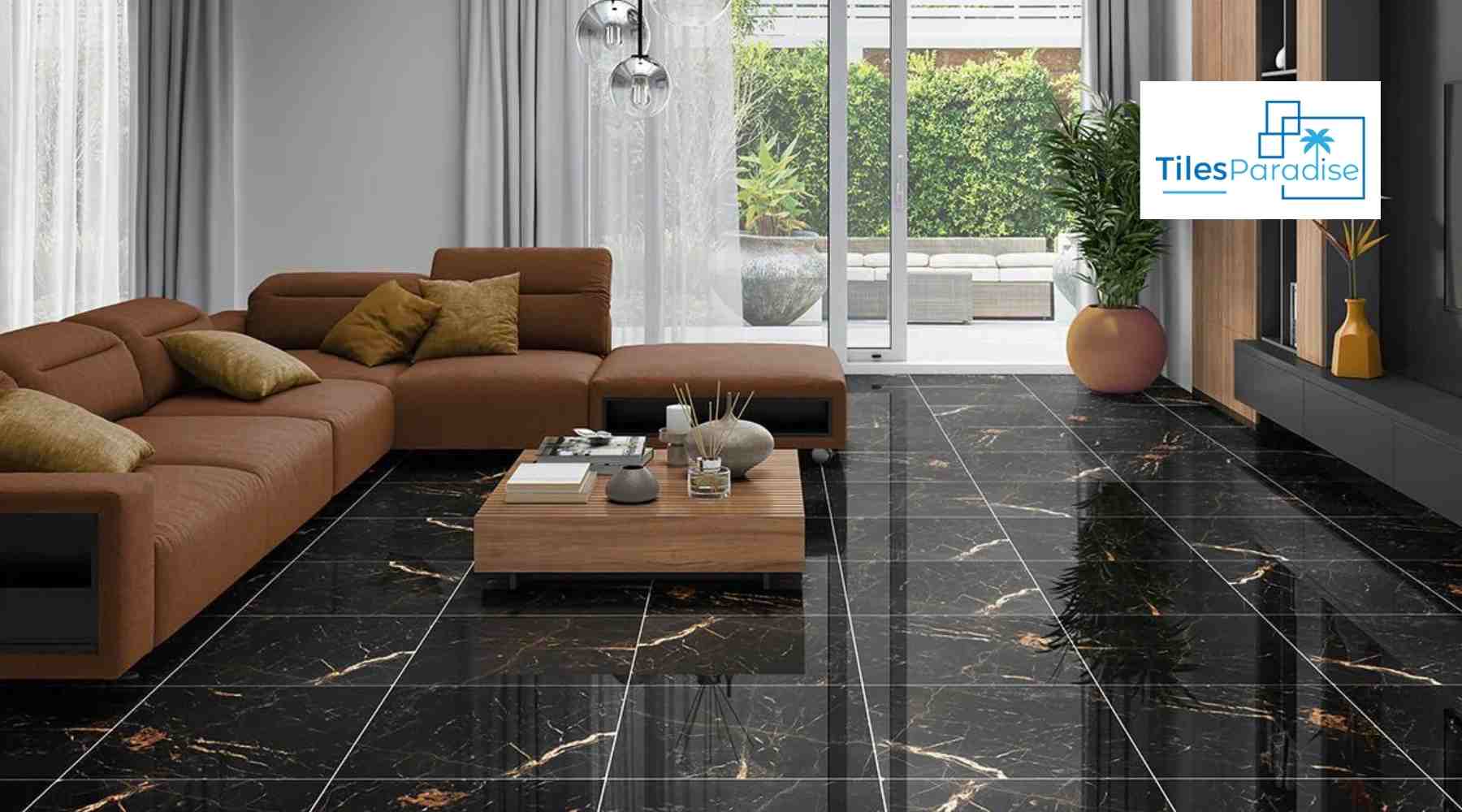
Patterned floor tiles bring rhythm, colour, and character to British interiors, turning ordinary rooms into design-led spaces. Among the most searched options, large patterned floor tiles for kitchen and hallway UK homes have become a popular pick because fewer grout lines deliver a cleaner finish across high-traffic zones.
From Victorian motifs to bold geometric layouts, modern patterned floor tile collections cover ceramic, porcelain, and vinyl surfaces. Selecting the right size, material, and pattern combination ensures lasting durability and timeless appeal.
What Defines Patterned Floor Tiles in Modern UK Interiors?
Patterned floor tiles feature decorative motifs printed, glazed, screen-printed, or inlaid across the surface, transforming a flat floor into a focal point. Common materials include porcelain, ceramic, natural stone, and vinyl, with finishes from matt and satin to polished gloss.
Across UK homes, popular options within the floor tiles collection cover Victorian, encaustic, terrazzo, geometric, Moroccan, and Mediterranean styles. Pattern scale, colour palette, and material grade all influence long-term satisfaction with patterned floor tiles UK shoppers select.
A clear understanding of pattern scale, room proportions, and lighting allows a confident match between motif and space. Floor tiles patterned with bold prints suit larger rooms, while smaller motifs lend texture to compact spots.
Which Materials Suit Patterned Floor Tile Installations?
Material choice defines longevity, water resistance, and aesthetic richness. Porcelain offers very low water absorption and high PEI ratings, making it ideal for kitchens, hallways, and bathrooms.
Ceramic delivers budget-friendly comfort for lighter traffic zones, while patterned vinyl floor tiles remain a flexible pick for rentals or quick refreshes. Modern vinyl tile flooring patterns now mimic stone, wood, and Victorian motifs convincingly.
Stone-effect alternatives such as marble effect floor tiles and onyx floor tiles combine luxury veining with porcelain hardness, bringing depth to country, rustic, and Scandi schemes.
What Sizes Work Best for Large Format Patterned Floor Tiles?
Larger formats minimise grout lines and amplify pattern flow across open spaces. Fewer joints also reduce dirt traps, simplifying maintenance in high-traffic British households.
UK homeowners often select 60x120cm rectangular large tiles for open-plan kitchens, 90x90cm square extra-large tiles for spacious hallways, and 120x120cm extra-large square tiles for statement living and dining rooms.
|
Tile Size |
Recommended Room |
Visual Impact |
|
60x120cm |
Kitchen and hallway |
Wide rectangular flow |
|
90x90cm |
Living or open plan |
Balanced square symmetry |
|
120x120cm |
Lounge or dining |
Minimal grout, vast feel |
Which Patterns Define Kitchen Floor Tile Patterns Today?
Kitchen floor tile patterns range from herringbone pattern tile floor layouts to encaustic Moroccan tiles and modern monochrome geometry. Subtle marble-veined porcelain such as Signature Lusso Gris suits minimalist kitchens, while Palatina 60x120cm gloss adds warm character to country-style schemes.
Patterned kitchen floor tiles also work well as zoned feature areas under islands or beneath dining tables. Popular pattern choices include:
• Hexagon mosaic
• Herringbone porcelain
• Chequerboard black and white
• Encaustic Victorian
• Terrazzo speckle
How Do Patterned Floor Tiles Hallway Designs Influence First Impressions?
A patterned floor tiles hallway sets the mood before a guest steps inside. Bold black and white patterned floor tiles deliver classic Victorian charm, while grey patterned floor tiles offer modern restraint with calming neutrality.
Slip-rated options such as non-slip floor tiles and the textured Keystone Mocha slate tile add safety to busy entryways. Pattern continuity from front door through hallway also helps unite open-plan ground floors visually.
Hallway floors collect grit, rain, and footfall traffic daily, so durable porcelain patterns excel here. A border tile around a central patterned panel also creates an elegant period feel.
What Colours Match Grey, Blue, and Green Patterned Floor Tiles?
Colour selection shapes a room's tone. Grey patterned floor tiles complement Scandinavian and industrial schemes, blue patterned floor tiles channel Mediterranean coolness, and green patterned floor tiles bring biophilic warmth indoors.
Statement pieces such as Onice Real Gris and Onyx Real Blue anchor open-plan zones with rich veining and translucent depth. Soft palettes pair well with oak cabinetry, while bold pattern hues sing against bright white walls.
Warm tones such as sand, terracotta, and ochre also balance cooler colour palettes, adding cosy depth across British living rooms. Mixed colour patterns deliver visual interest without overwhelming the wider scheme.
Why Choose Patterned Floor Tiles Bathroom Designs?
Patterned bathroom floor tiles combine waterproof performance with pattern impact. Bathroom patterned floor tiles in small sizes create cocooning feature floors, while large format porcelain reduces grout in wet zones for easier upkeep.
Bright finishes such as Super White 80x80cm porcelain and Super White 60x60cm porcelain brighten compact bathrooms and shower rooms. Bathroom floor tiles patterned with chevron, hexagon, or fish-scale shapes pair beautifully with plain subway walls.
How Durable Are Patterned Floor Tiles for Heavy Use?
Durability hinges on PEI rating, slip rating, and water absorption percentage. Porcelain rated PEI 4 or 5 handles daily kitchen and hallway traffic with ease, and bathroom installations need R10 or higher slip ratings.
For garden and patio surfaces, R11 to R13 slip ratings fit outdoor installations including outdoor floor tiles and R11 patio tiles. Water absorption below 0.5% defines true frost-proof porcelain suitable for British winters.
Thickness also matters, with 9mm or 10mm porcelain ideal for indoor zones and 20mm for outdoor patios. Rectified edges allow narrower grout joints, sharpening the appearance of any pattern.
Best Non-Slip Ceramic Floor Tiles for Kitchen and Bathroom
For wet zones, the best non-slip ceramic floor tiles for kitchen and bathroom collections combine textured surfaces with patterned visuals, balancing safety and style across splash-prone spaces. Anti-slip glazes also resist soap scum buildup, keeping floor patterns tile finishes crisp for years.
How Should Patterned Floor Tile Installation Be Approached?
Installation success starts with a flat, primed subfloor and a quality flexible adhesive. Pattern alignment, joint width, and grout colour all influence the final appearance, especially on large format tiles laid over underfloor heating.
A simple installation sequence:
1. Prepare and prime the subfloor
2. Plan pattern layout from the room centre point
3. Apply flexible adhesive using a 10mm notched trowel
4. Back-butter large tiles and use levelling clips for flatness
5. Grout with a matching tone, then seal and polish clean
Large Format Floor Tiles for Small Rooms UK
Smaller spaces benefit from large format floor tiles for small rooms UK because fewer grout lines create a visual expansion effect, helping compact bathrooms, cloakrooms, and utility rooms feel brighter and noticeably more spacious.
How to Care for Floor Tiles Patterned with Glaze or Inlay?
Care varies by finish and material. Glazed porcelain wipes clean with a pH-neutral cleaner, encaustic cement tiles benefit from periodic sealing, and natural stone patterns need regular re-sealing every twelve to eighteen months.
Acidic cleaners damage marble-effect surfaces and dull patterned vinyl floor tiles, so soft cloths and mild detergents work best. Routine sweeping and prompt spill response keep flooring patterns tile finishes fresh and colourful for many years.
Grout lines benefit from an annual seal refresh to resist staining and discolouration. Microfibre mops also lift dust gently without scratching glossy finishes or fading printed motifs.
Final Insights
Patterned floor tiles UK buyers can enjoy a vast spectrum, from black and white patterned floor tiles to subtle grey, deep blue, and warm green variations. Selecting porcelain in large formats for high-traffic zones blends visual impact with long-term durability.
For kitchen floor tile patterns, hallway statement pieces, or bathroom floor tiles patterned with bold geometry, matching pattern scale to room size delivers the cleanest, most balanced result. Quality always sits at the heart of every successful tile installation across British homes.